Beyond shelter: a different model for tackling homelessness - The Churchill Fellowship

Beyond shelter: a different model for tackling homelessness

I began my Churchill Fellowship with a simple question: could shared housing be better?

At the time, I was working in the UK with organisations helping people experiencing homelessness to find somewhere to live. Because social housing was so limited, that often meant the private rented sector. For many single people under 35, the only affordable option was a room in a shared house.

Too often, though, shared housing offered very little choice, security, or dignity. People were expected to live with strangers, sometimes in poor-quality homes, with no say over who they lived with, or even where they lived – rather than in a home that could support recovery, wellbeing, or a sense of belonging. There was, and still is, a prevailing sense of ‘take what you can get’, because affordable rooms to rent are so scarce.

At the same time, I was learning about cohousing: communities where people have their own private space, but also access to shared spaces, and strong agency in how the community works. Cohousing offered connection, mutual support, and a greater sense of control, yet in the UK it was often a niche and expensive option, really only available to those with social and financial capital.

I wanted to know whether cohousing principles could be used to create better options for people at risk of homelessness, as well as others, for example young people or refugees, who were locked out of many other housing choices.

My Fellowship took me to the Netherlands, Sweden, and the United States. I visited a wide range of communities, and saw shared kitchens, gardens, and common rooms being used not as optional extras, but as places where relationships were built. I met people living alongside others they might never otherwise have known. Again and again, residents spoke about feeling less isolated and more supported.

Since completing the research, the housing crisis has become even more severe. Rents have risen, homelessness services are under intense pressure, and councils are spending huge sums on temporary accommodation.

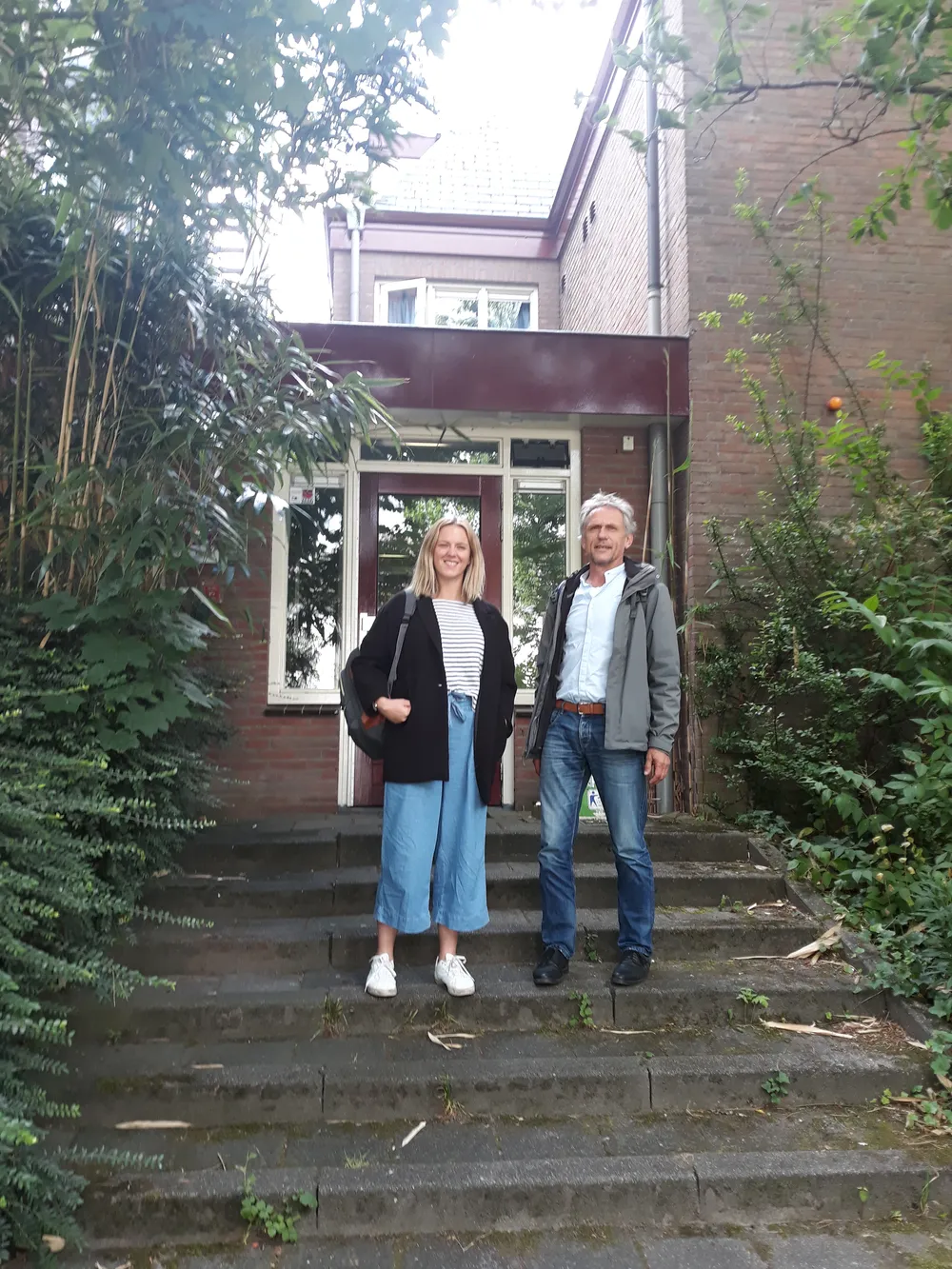
"I think the question is bigger: can we build housing that gives people not only security, but also choice, connection, and a sense of belonging?"

But momentum is beginning to shift. Across the UK, more housing associations, councils, community groups, and researchers are exploring how cohousing and community-led housing can become more affordable, inclusive, and accessible. There is a growing focus on models that work for people on lower incomes, including social rented cohousing, community land trusts, and partnerships between residents and established housing providers. Loneliness and isolation are also much more widely recognised as serious issues in their own right.

Housing has also moved much further up the European political agenda. The European Affordable Housing Plan focuses on increasing supply, unlocking investment, and protecting people most affected by the housing crisis. It creates an opportunity to think not only about how many homes Europe needs, but about the kinds of homes and communities we should be building.

My report, Rethinking Cohousing, brings together international examples showing that collaborative housing can be more inclusive than many people assume.

These examples don’t suggest that cohousing should replace social housing, Housing First, or supported accommodation. Instead, they show how some of its strongest ideas could become part of mainstream affordable housing.

That might mean housing associations designing shared spaces into new developments, councils making public land available for community-led housing, or funders recognising common rooms, gardens, and community support as essential social infrastructure rather than nice extras.

At the start of my Fellowship, I was asking whether shared living could be made better for people at risk of homelessness. Now I think the question is bigger: can we build housing that gives people not only security, but also choice, connection, and a sense of belonging?

The examples are already there, and there is a growing appetite for something different. The challenge now is turning that momentum into housing that is genuinely affordable and inclusive, rather than leaving these ideas at the margins, available only to a lucky few.

Disclaimer

The views and opinions expressed by any Fellow are those of the Fellow and not of the Churchill Fellowship or its partners, which have no responsibility or liability for any part of them.

Related

Blogs & conversations

Building protection around children with experience of care

Through the first leg of his Fellowship in the USA, Grant Trainer explored what it means to protect and support children with experience of care. Drawing on learning from organisations in Albany, New York City, Brooklyn, and Seattle, he reflects on approaches that place children’s identity, dignity, and relationships at the heart of protection. He is now bringing this learning back to Scotland, where it is shaping his research into policing, care experience, and trauma-informed support, ahead of the next stage of his Fellowship in New Zealand.

By Grant Trainer,

Blogs & conversations

It takes a village: trauma-responsive communities are pivotal to addressing youth violence

Through her Churchill Fellowship, Ruth Oshikanlu explored youth violence as a public health and trauma crisis, rather than simply a criminal justice issue. Travelling to the USA and Australia, she learned from police officers, nurses, teachers, psychologists, community healers, young people, families, and Indigenous Elders about what it takes to build trauma-responsive systems. She is now using this learning to develop a Trauma-Responsive Community Network in her local borough, bringing together those who work with children and young people to create safer, more connected support.

By Ruth Oshikanlu,

Blogs & conversations

In conversation with Melvin Hartley: Harnessing the power of spontaneous volunteers

We spoke to Melvin Hartley about how his Churchill Fellowship helped him put spontaneous volunteering into practice during the Covid pandemic and beyond. After travelling to the USA to explore how volunteers are organised in response to disasters, Melvin returned to the UK just as lockdown began and used his learning to coordinate community support in Hampshire. His Fellowship also helped shape HYPER (Hampshire Young People’s Emergency Response), showing how older teenagers can play an active role in emergency response.

By Melvin Hartley,

Blogs & conversations

Counting women, ending homelessness

Sarah Walters reflects on how her Churchill Fellowship learning from the USA and Canada continues to shape her work to end women’s homelessness in the UK. Her visits showed the power of gender-informed, trauma-aware services designed around women’s experiences, from specialist housing to support that helps women rebuild their lives. She shares how this learning informed a women-only respite hotel as part of Crisis at Christmas 2025, and how it continues to inspire change in services for women experiencing homelessness.

By Sarah Walters,

Newsletter Sign Up