By Alice Vodden, 2025
Science and technology
About this theme
This theme covers all aspects of science and technology, including research, ethics, education, and applied fields such as engineering, artificial intelligence, and digital development. It is one of the eight universal themes which form our grantmaking framework and allow us to address every aspect of society. Fellows’ stories

Rebecca Payne reflects on how her Churchill Fellowship challenged her expectations about the role of technology in rural healthcare. Drawing on visits to Australia and Alaska, she shares how simple, reliable technology, local healthcare workers, and well-connected services can improve access to care in remote communities. Rebecca explores how this learning could help shape rural healthcare in the UK, where technology must support – rather than replace – the people delivering care.
By Rebecca Payne, 2026

Suzanne Alleyne reflects on how her Churchill Fellowship helped deepen her understanding of power and its effects on how we think, feel, and behave. Drawing on learning from South Africa and Canada, she explores the connections between neuroscience, lived experience, art, and organisational practice. Suzanne shares how this learning continues to shape her work, and why understanding power can help people build agency, make better decisions, and create conditions in which more people can thrive.
By Suzanne Alleyne, 2026

Craig Steele (CF 2025) was recognised as part of AI 100 UK at an event in the House of Lords, celebrating individuals using artificial intelligence for positive social impact.
By Craig Steele, 2026

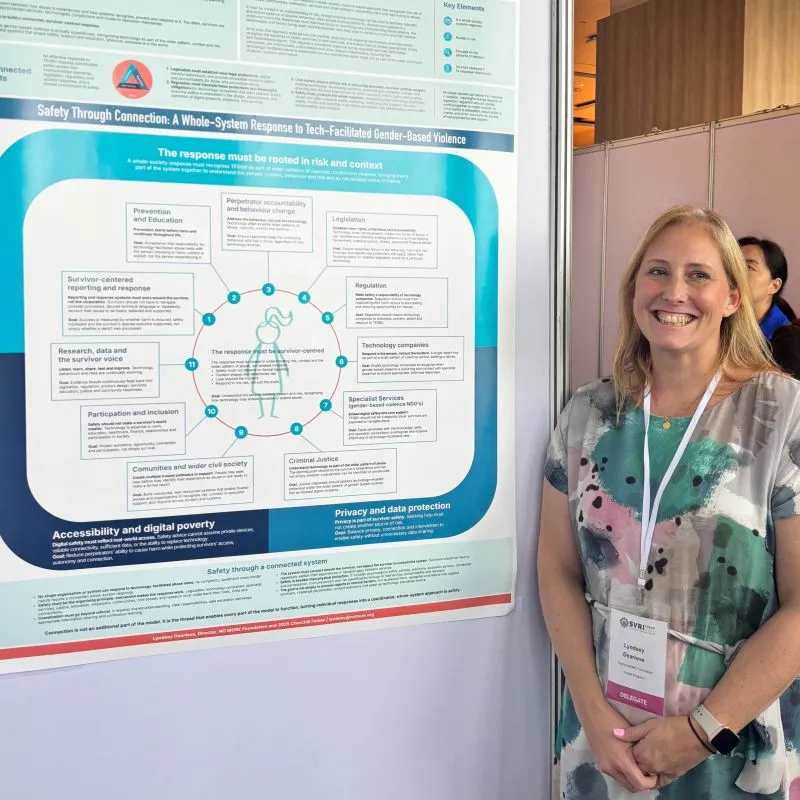
Lyndsey Dearlove (CF) presented early findings from her Fellowship research at the Sexual Violence Research Initiative (SVRI) Forum in Bangkok.
By Lyndsey Dearlove, 2026

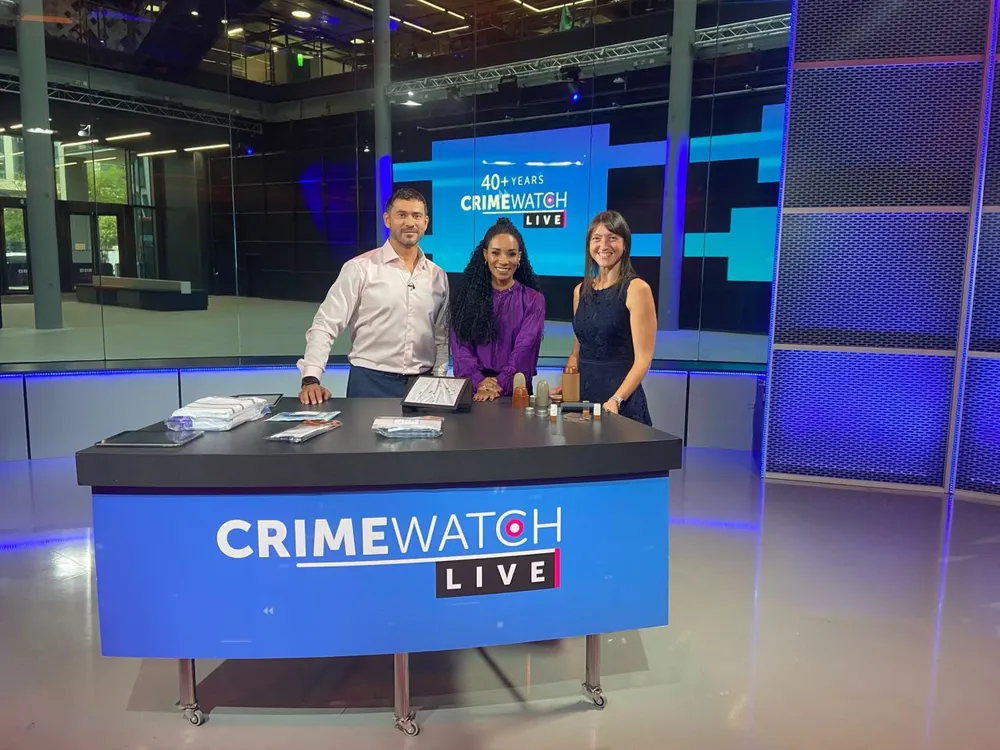
Rachel Bolton-King (CF 2019) appeared on BBC One's Crimewatch Live in an episode titled Turf War, sharing her expertise in forensic science and firearms.
By Rachel Bolton-King, 2026
By Rebecca Payne, 2024
By Kate Arrow, 2024

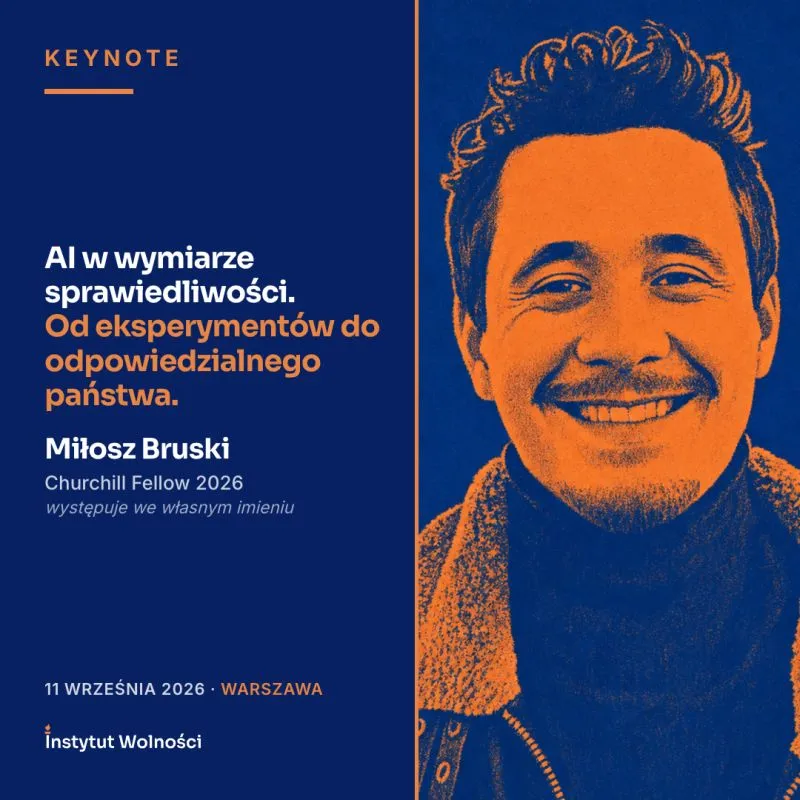
Milosz Bruski (CF 2026) delivered a keynote at Instytut Wolności’s (Freedom Institute) AI: The New Social Contract conference in Warsaw, drawing on his Fellowship research into international approaches to using AI in justice systems.
By Milosz Bruski, 2026

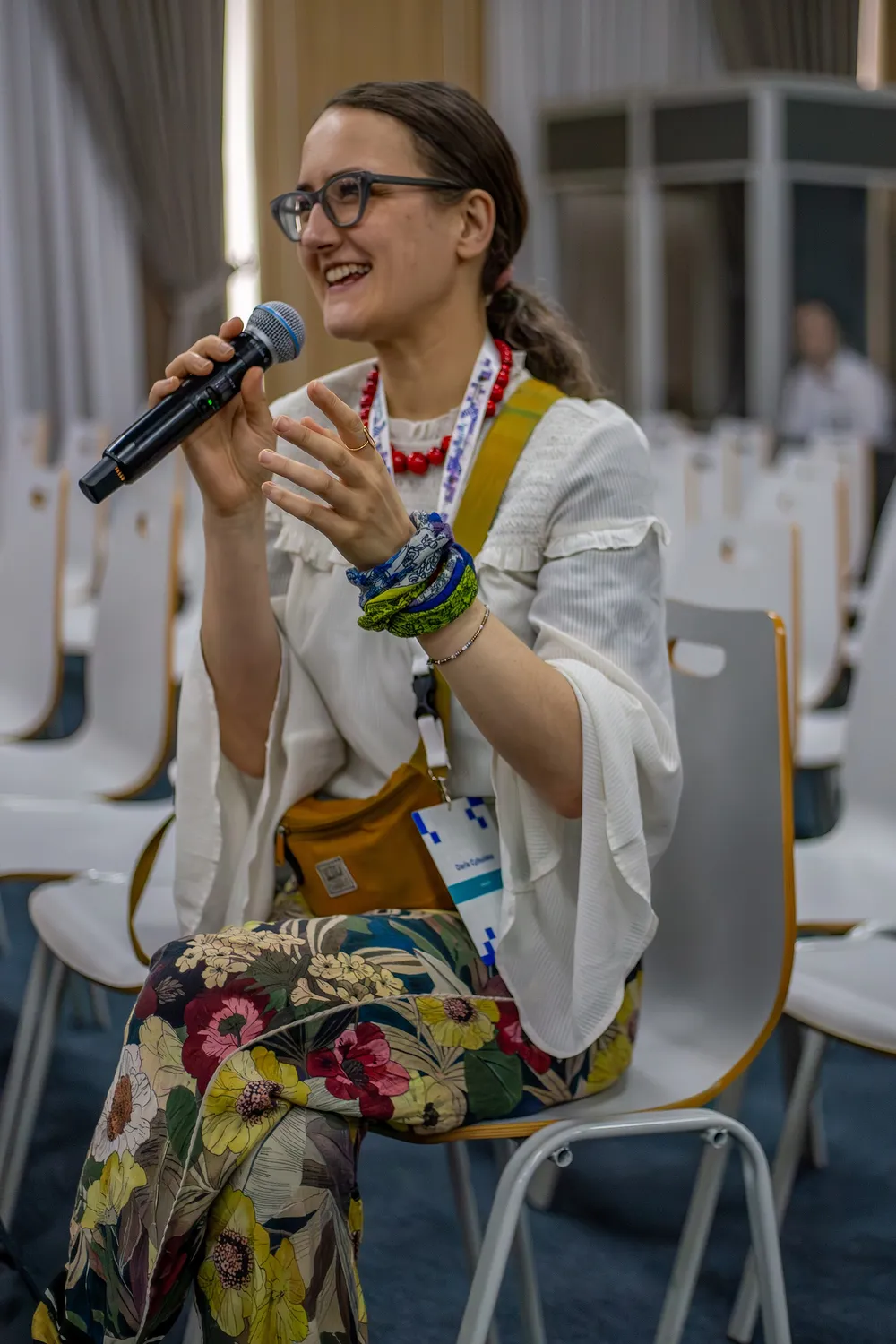
Through her Fellowship, Daria explored how civic space can remain resilient when people’s ability to question, organise, and participate comes under pressure. Focusing on Central Asia, she examined how critical thinking, art, and positive narratives can help people practise “oppositional muscle” and imagine more open democratic futures. Published to mark International Day of Democracy, the blog reflects on why protecting civic voice matters in the UK and around the world.
By Daria Cybulska, 2026