Building protection around children with experience of care - The Churchill Fellowship

Building protection around children with experience of care

To be a child with experience of care is to live within a profound paradox. It is a journey often defined by a heartbreaking reality: a child’s identity is often the first thing the system struggles to protect, even as passionate people on the ground try to build a more radical, deeply relational way of caring.

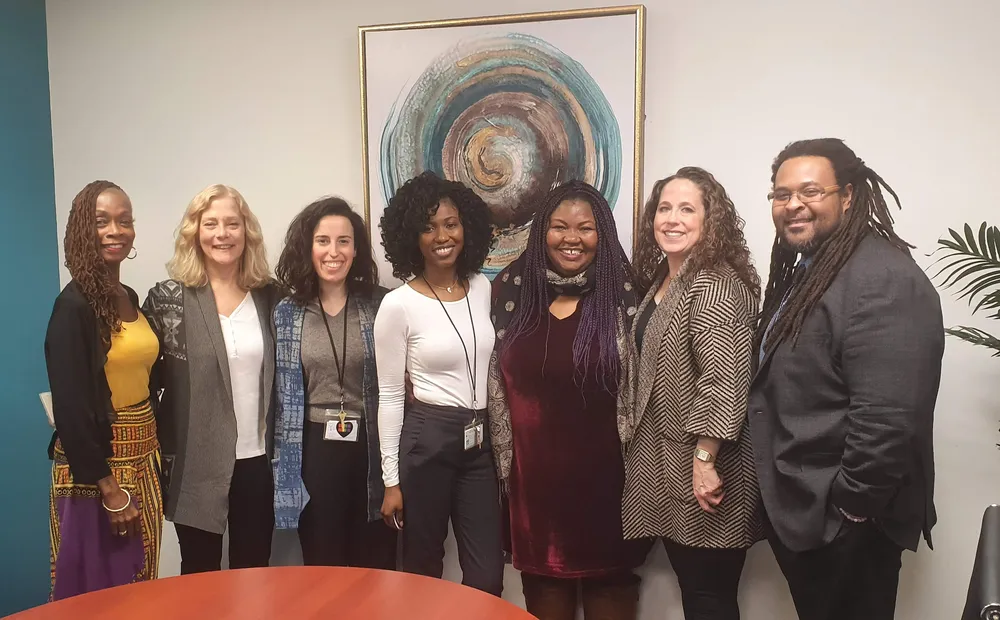
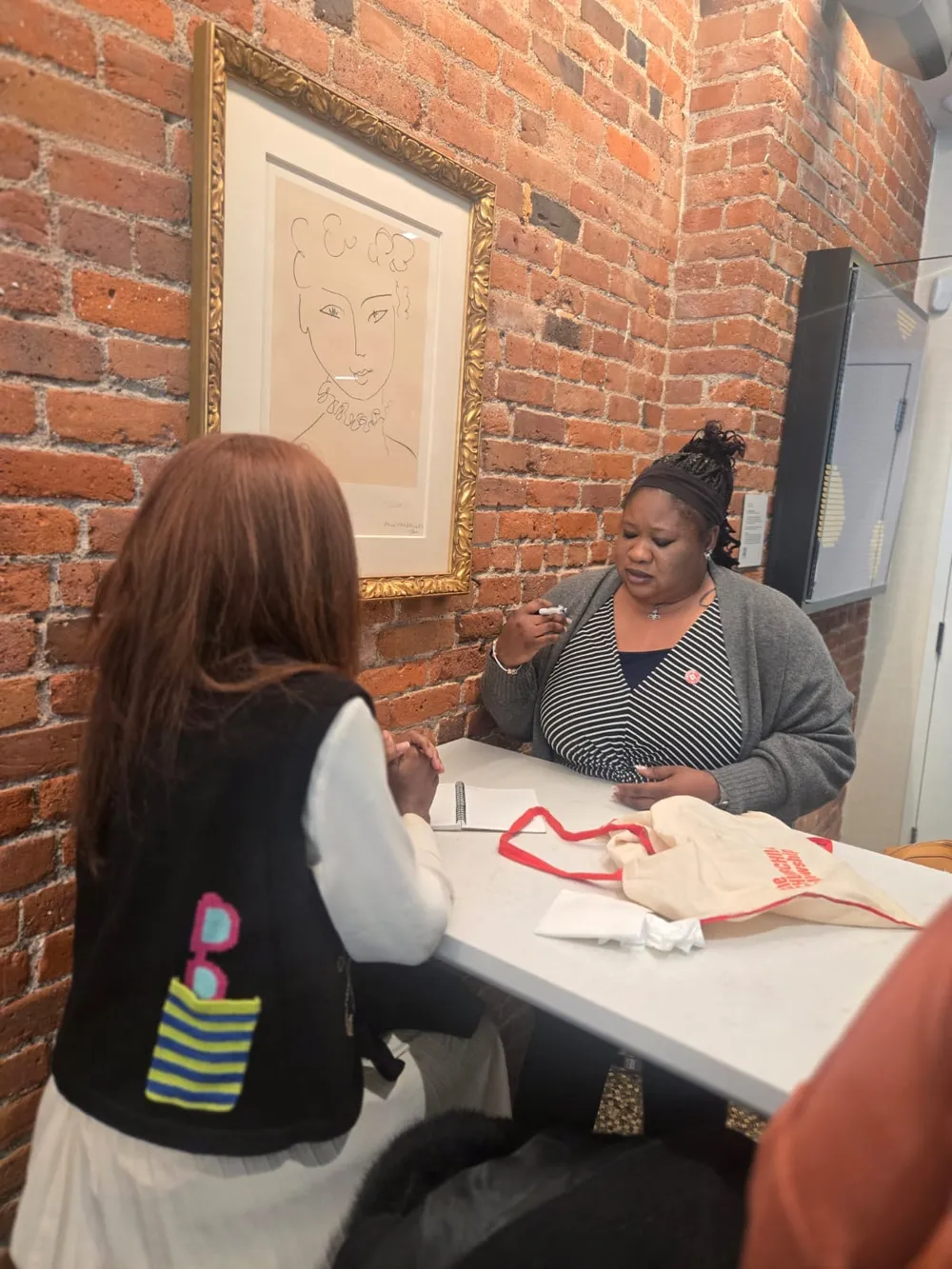
With the Centre for Children and Justice in Seattle. Download 'Grant Trainer Image 003'

In October 2025, I travelled to the USA to set out on the first leg of my Churchill Fellowship to answer a question at the very heart of my working life as a corporate parent with Police Scotland: “How can we protect and support the care-experienced community?”

What I found is that "protection" in the USA is being redefined. It is moving away from a cold, clinical bureaucracy that merely monitors failure, and towards approaches that ground children and help build a foundation for them.

In the USA, the definition of a good police officer, support worker, or social worker is shifting towards what can be called the "Second Base Rule." In the heat of a moment, when a choice is 50/50, real protection requires the courage to, in baseball terms, "call the child safe." It is an act of mercy and trust that keeps a child in the game when the rules of the world can feel stacked against them.

In Albany, The Schuyler Center highlighted how the terminology we use to protect can actually erode a child's sense of self. When the system uses an acronym like LAC (Looked After Child), it thinks it is being professional. But to a ten-year-old, it sounds exactly like the word "lack." By defining children by what they are missing, we inadvertently force them to view themselves through a lens of deficit.

The “Coat Test”, introduced to me by The Osborne Association in New York City, offered another way to think about protection. In a traditional model, if a child is shivering, the system’s instinct is mandated reporting – documenting the neglect. But Osborne argues for mandated supporting. They recognise that you cannot address a child’s behaviour or trauma if their basic material needs are unmet. When a child is shivering, you don't immediately file a report; you give them a coat.

"Bringing these lessons home, I feel immense pride that Scotland is part of this global movement."

Another powerful lesson was the importance of physical presence. In Brooklyn, I observed how a situation can be de-escalated before a single word is even spoken. When a police officer chooses to park their car two blocks away and walk to a door in plain clothes, they are protecting the sanctity of the child's environment. Seeing these "soft arrivals" in practice was a powerful moment of professional solidarity for me: confirmation that efforts to de-stigmatise our presence in Scotland are part of a wider shift in practice.

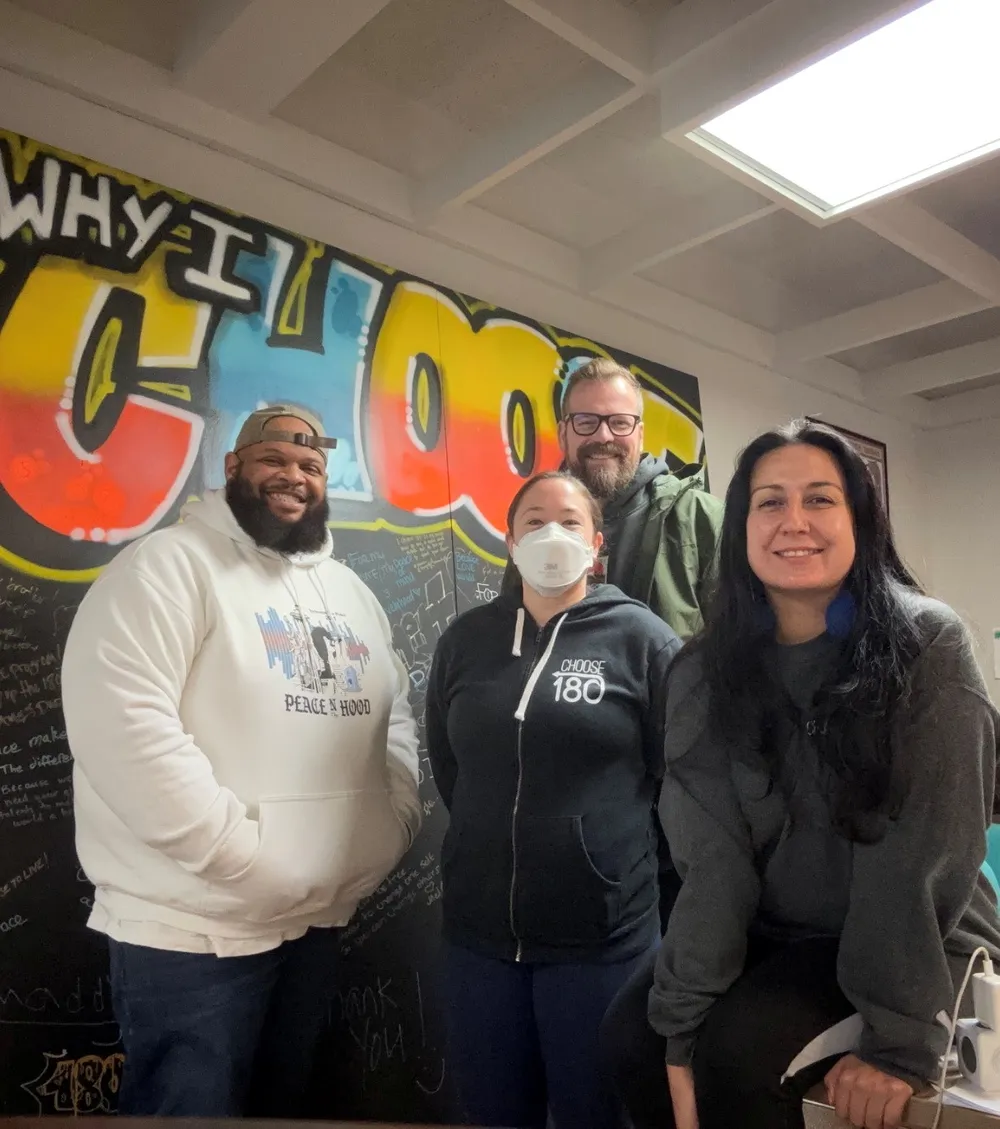
In Seattle, I saw the power of restorative justice in action through Choose 180. Their model is built on the understanding that, for a young person in crisis, the traditional justice system often acts as a trap rather than a safety net. By shifting the focus from prosecution to possibility, Choose 180 shows how believing in a child's potential, rather than just their case file, can completely change their trajectory.

The Centre for Children and Youth Justice (CCYJ) is also leading important work on child welfare and juvenile justice in Washington State. Across their work on violence intervention, juvenile fees, and foster care initiatives, the voice of the child guides everything they do. This resonates with the work we are doing in Scotland with the UN Convention on the Rights of the Child (UNCRC).

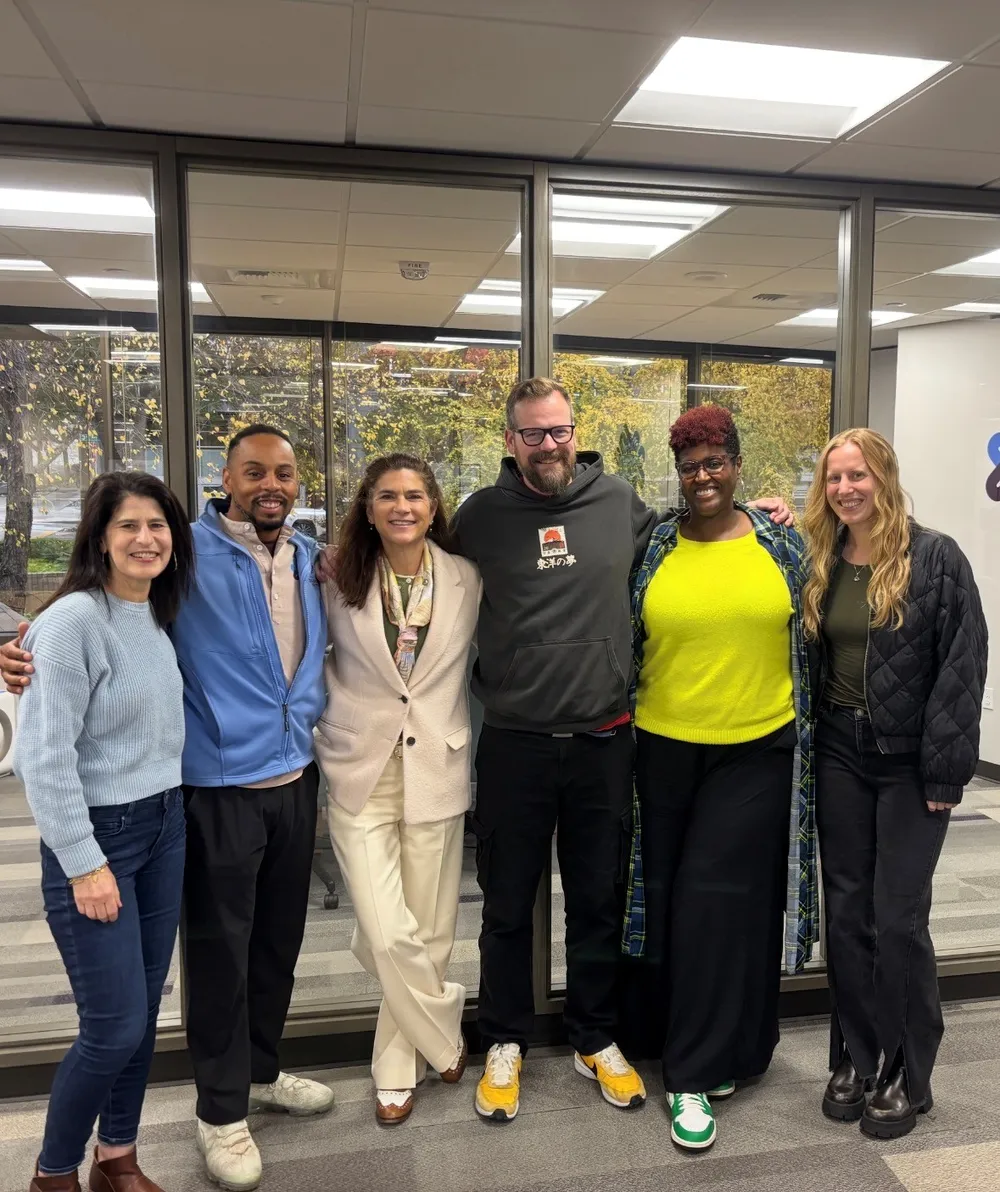
With Choose180 in Burien, Washington. Download 'Grant Trainer Image 004'

Bringing these lessons home, I feel immense pride that Scotland is part of this global movement. We are moving away from the practitioner who simply writes a report, and towards the supporter who actively preserves a future.

The first part of my journey has also reframed the questions guiding my research. I am now asking: how does policing affect the support, protection, and wellbeing of children with experience of care, and what unintended harms can police involvement cause within a community already shaped by trauma and re-traumatisation?

This journey is only just beginning. Over the coming months, I will be travelling to New Zealand to explore how its unique cultural and systemic approaches to supporting and protecting children can further inform our mission to keep The Promise here in Scotland.

I will also be turning the audio interviews from my time in the USA and New Zealand into a series of podcasts, where you can hear directly from the practitioners and advocates who inspired me.

Stay tuned for the next chapter.

Disclaimer

The views and opinions expressed by any Fellow are those of the Fellow and not of the Churchill Fellowship or its partners, which have no responsibility or liability for any part of them.

Related

Blogs & conversations

It takes a village: trauma-responsive communities are pivotal to addressing youth violence

Through her Churchill Fellowship, Ruth Oshikanlu explored youth violence as a public health and trauma crisis, rather than simply a criminal justice issue. Travelling to the USA and Australia, she learned from police officers, nurses, teachers, psychologists, community healers, young people, families, and Indigenous Elders about what it takes to build trauma-responsive systems. She is now using this learning to develop a Trauma-Responsive Community Network in her local borough, bringing together those who work with children and young people to create safer, more connected support.

By Ruth Oshikanlu,

Blogs & conversations

In conversation with Melvin Hartley: Harnessing the power of spontaneous volunteers

We spoke to Melvin Hartley about how his Churchill Fellowship helped him put spontaneous volunteering into practice during the Covid pandemic and beyond. After travelling to the USA to explore how volunteers are organised in response to disasters, Melvin returned to the UK just as lockdown began and used his learning to coordinate community support in Hampshire. His Fellowship also helped shape HYPER (Hampshire Young People’s Emergency Response), showing how older teenagers can play an active role in emergency response.

By Melvin Hartley,

Blogs & conversations

Counting women, ending homelessness

Sarah Walters reflects on how her Churchill Fellowship learning from the USA and Canada continues to shape her work to end women’s homelessness in the UK. Her visits showed the power of gender-informed, trauma-aware services designed around women’s experiences, from specialist housing to support that helps women rebuild their lives. She shares how this learning informed a women-only respite hotel as part of Crisis at Christmas 2025, and how it continues to inspire change in services for women experiencing homelessness.

By Sarah Walters,

Blogs & conversations

In conversation with Natasha Cox: Learning leads to new creative Saturday school for Black boys

We spoke to Natasha Cox about how her Churchill Fellowship helped shape the next stage of Actively SeeK.I.N.G, the CIC she founded to support Black boys through creative arts. Drawing on learning from schools in the USA, Ghana, and the Caribbean, Natasha has launched the House of K.I.N.G.s Saturday School. She reflects on how the Fellowship deepened her work, opened new doors, and helped turn her research into practical support for young people in East London.

By Natasha Cox,

Newsletter Sign Up