Knowing the numbers is only the start. Once we know the numbers, we need to ensure the services we provide for women are gender-informed and trauma-aware. Women experiencing homelessness present differently from men; the causes, consequences, and routes out of homelessness are not the same, and a meaningful offer will reflect that.
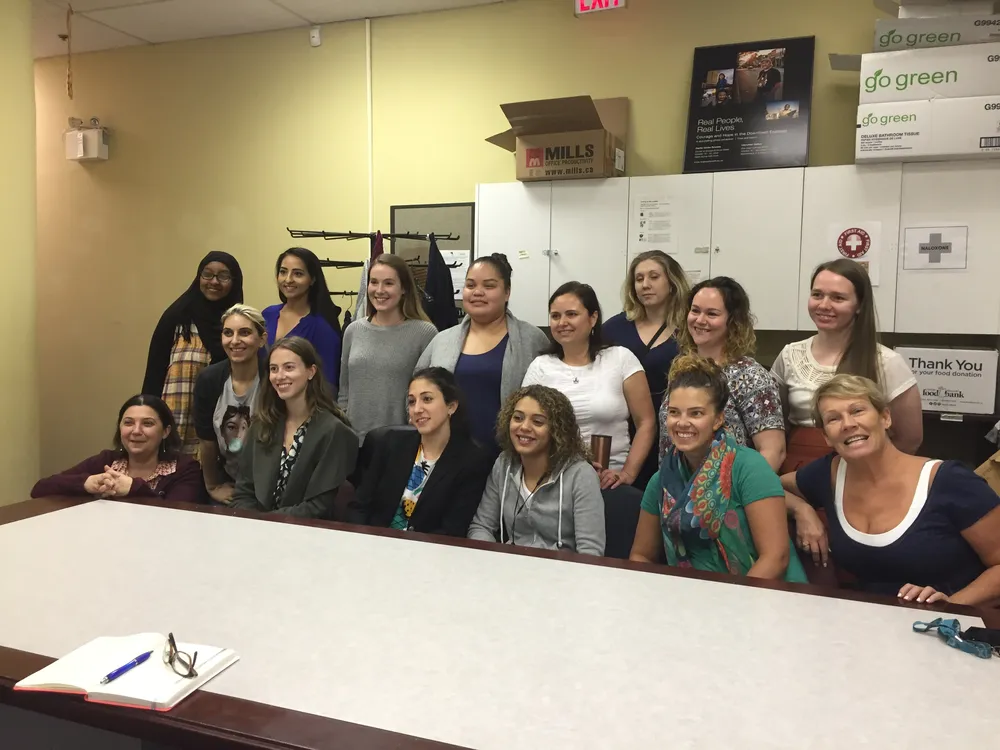
In 2017, I was awarded a Churchill Fellowship to explore how other countries were working to end homelessness for women. I went to the USA and Canada and saw how gender-informed and trauma-aware services could change women’s experiences and provide them with support that became a springboard into a new life.
The breadth of projects had no equivalent in the UK at that time, including places where palliative care could be delivered for women, and housing for women fleeing abuse, leaving prison, becoming young mothers, or learning to work and live independently. What was on offer was impressive, empathetically delivered, and life-changing.
Taking what was learned from Fellowship visits and applying it to our local context is the cornerstone of the Fellowship experience. I was thrilled to be involved in the setting up of a women’s pathway, including a women-only hotel, open for a two-week period over Christmas 2025 as part of the Crisis at Christmas offer.
Crisis has offered residential respite over Christmas for guests for over 50 years, but the offer for women has generally not been as successful as that for men. The reasons are complex, but we wanted to deliver something that built on our knowledge of what works. This meant a hotel that was for women only, fully staffed by women, including security, within an environment that was restful and restorative. We used the definition of rough sleeping from the Women’s Rough Sleeping Census as our criteria.