
Making the case for a national eating disorders strategy - The Churchill Fellowship

Making the case for a national eating disorders strategy

My 2024 Fellowship explored what the UK could learn from national strategies for eating disorders. I visited Australia, New Zealand, and Sweden to understand how nationally coordinated approaches were helping to improve access to care and outcomes for people and families impacted by eating disorders.

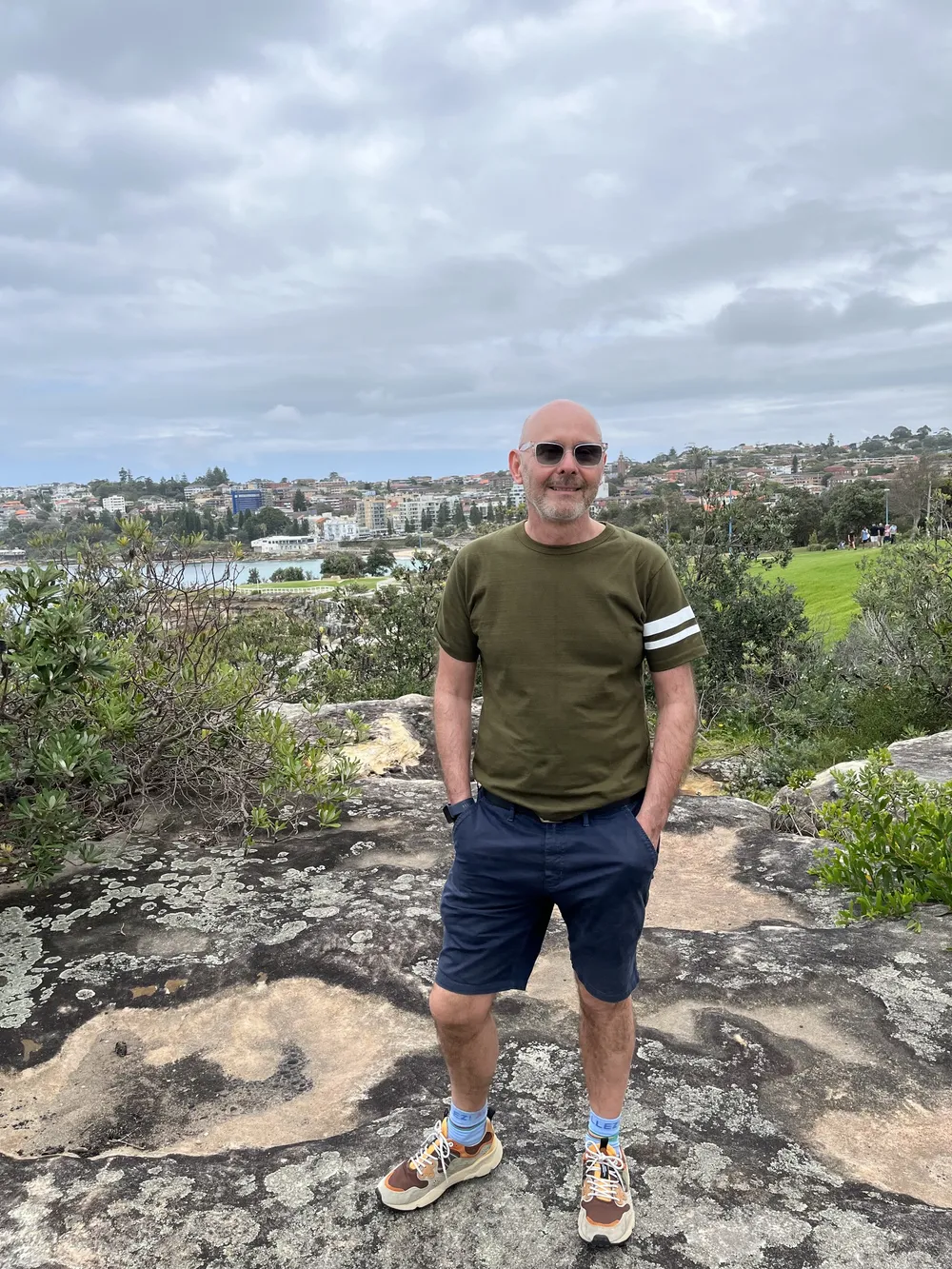
Stephen Watkins on Sydney Harbour walk.

I currently work as an NHS Non-Executive Director and previously ran the NHS Benchmarking Network (NHSBN) for over 20 years. My interest in eating disorders goes back to this period, when I used to report on the state of the nation’s healthcare with NHSBN.

Eating disorders are serious illnesses, with the highest mortality rate of any psychiatric disorder. However, each year only around 35,000 people can access NHS care, compared to a national prevalence of 3.5 million people, making this one of the largest treatment gaps in UK healthcare.

Australia, New Zealand, and Sweden have all developed national plans for eating disorders. Through my Fellowship, I was able to meet with government leads, service providers, and service user and carer communities to learn from the process of developing these strategies, and how each country was mobilising to deliver tangible change.

In Australia, I saw that positive change was tangible. Visiting the world’s largest e-clinic for eating disorders, I saw the value of building effective clinical networks across both general and specialist care.

"The people and organisations I met in each country welcomed the opportunity to share learning, and we continue to keep in touch, sharing ideas, progress, and experiences. The Fellowship really opened doors for me."

Like Australia, New Zealand has also given strong political priority to eating disorders and are also leading the way in terms of supporting better outcomes for minority populations, including Māori, Pasifika, and Asian communities.

Sweden had a fully functioning care model in place that was operating at a scale much larger than we see in the UK. I saw first-hand how day care and digital care – both gaps in the UK – were enabling effective treatments that made a real difference to people’s access to services and outcomes.

The people and organisations I met in each country welcomed the opportunity to share learning, and we continue to keep in touch, sharing ideas, progress, and experiences. The Churchill Fellowship really opened doors for me. People were happy to meet, listen, and share approaches, and the experience gave me a strong sense of responsibility to produce a considered and impactful report.

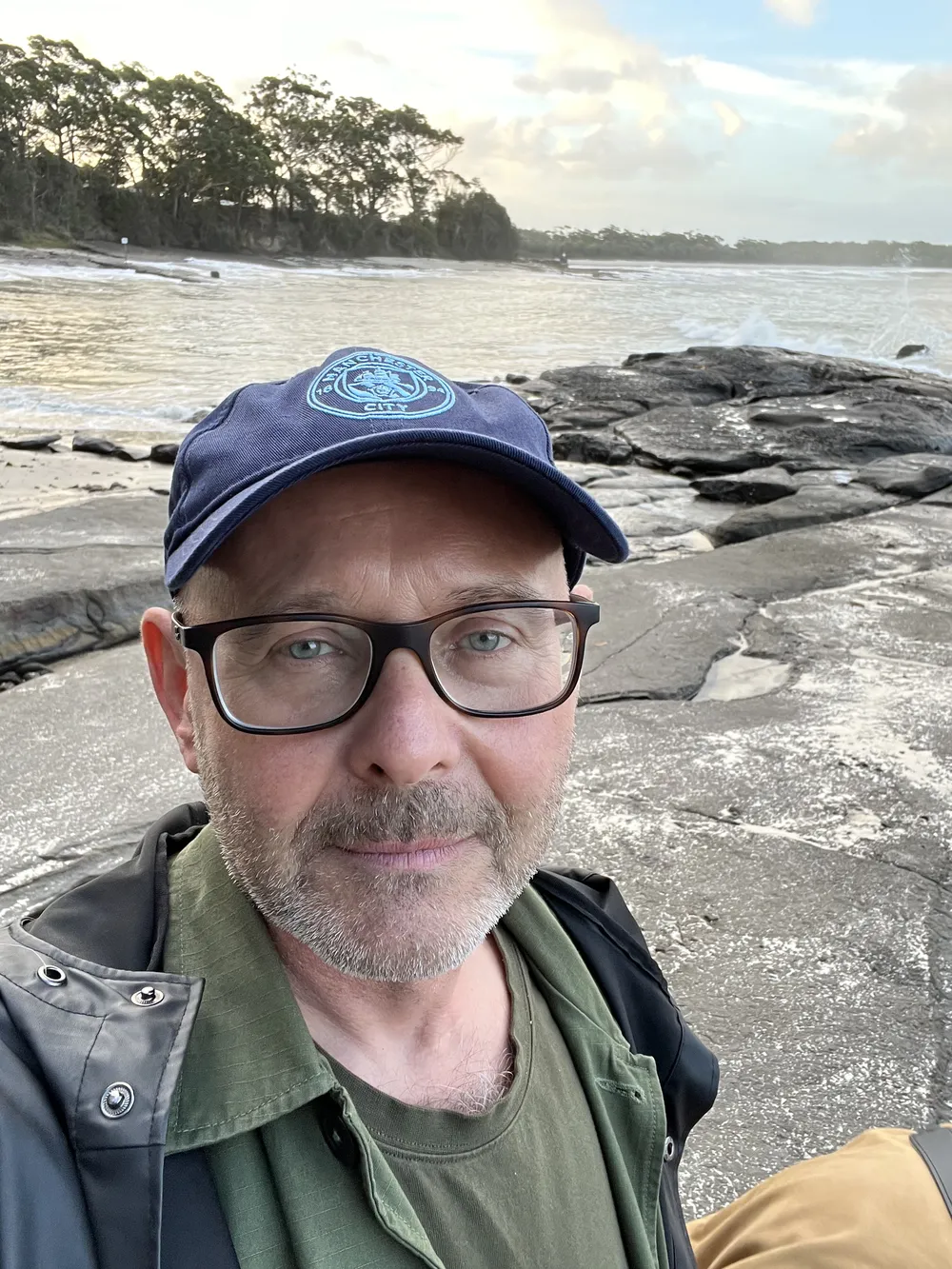
Stephen Watkins in Jervis Bay, New South Wales.

Since returning, I’ve been working hard to keep momentum behind the case for change in the UK, and there is now real progress. Over the last year I have been sharing my findings and shown the improvements that could be made in the UK through briefings with the Health Minister, the Eating Disorders APPG, national policy teams, providers, and service user and carer organisations.

I always try to take an optimistic position that positive change is possible, even if the current pressures on public finances mean that, in the short term, this may involve redeploying existing resources and optimising the support already available for people affected by eating disorders. My Fellowship showed the value of nationally coordinated approaches, and gave me practical examples of how services, networks, and resources can be used more effectively while making the case for longer-term change.

I’m hopeful there will be positive news on this front later this year as the upcoming NHS Modern Service Framework for Severe Mental Illness will now include standards and guidance on supporting eating disorders, a major development influenced by my Churchill Fellowship research.

Disclaimer

The views and opinions expressed by any Fellow are those of the Fellow and not of the Churchill Fellowship or its partners, which have no responsibility or liability for any part of them.

Related

Blogs & conversations

World Homeless Day: Preventing homeless deaths through harm reduction

Gill Taylor reflects on how her Churchill Fellowship is exploring harm reduction approaches to help prevent deaths among people experiencing homelessness. Drawing on field research in Canada, she shares how peer-led services, overdose prevention support, and low-barrier access to care can help keep people safe while protecting dignity. Following World Homeless Day, Gill argues that preventing deaths requires a whole-system approach, with people with lived experience of homelessness and drug dependency at its heart.

By Gill Robin Taylor,

Blogs & conversations

In conversation with Ehinor Otaigbe: Protecting children by helping mothers escape abuse

We spoke to Ehinor Otaigbe MBE about how her Churchill Fellowship is shaping her work to support African women and children affected by domestic abuse. Drawing on her own experience, her work through Wonderfully Made Woman, and learning from organisations in Nigeria, Atlanta, and New York, Ehinor reflects on why children’s trauma must not be treated as an afterthought in domestic abuse support. She shares how her Fellowship is helping her shift conversations in the UK, working with faith and community leaders to support women and children to heal and move forward.

By Ehinor Otaigbe,

Blogs & conversations

It takes a village: trauma-responsive communities are pivotal to addressing youth violence

Through her Churchill Fellowship, Ruth Oshikanlu explored youth violence as a public health and trauma crisis, rather than simply a criminal justice issue. Travelling to the USA and Australia, she learned from police officers, nurses, teachers, psychologists, community healers, young people, families, and Indigenous Elders about what it takes to build trauma-responsive systems. She is now using this learning to develop a Trauma-Responsive Community Network in her local borough, bringing together those who work with children and young people to create safer, more connected support.

By Ruth Oshikanlu,

Blogs & conversations

‘The Right to a Break’?

Drawing on her own experience of caring for her mum, and her work alongside unpaid carers every day, Fi Brown reflects on the “mental load” of caring – and what it means to protect carers’ mental health before crisis point is reached. With Scotland’s ‘Right to a Break’ marking a significant shift in care reform, she explores why a legal right must translate into breaks that are genuinely meaningful and restorative, with prevention at their core.

By Fi Brown,

Newsletter Sign Up