That question became Neurology of Power™, my inquiry into power in the brain and body. It connects social neuroscience, lived experience, organisational practice, artistic practice, and Indigenous knowledge. This is the work I was awarded a Churchill Fellowship to pursue.
My working definition is simple. Power is the ability to influence how other people think, feel, and behave, whether they want you to or not. Agency sits alongside it: our ability to influence our own thoughts, feelings, and behaviours.
Power is not only something held by politicians or chief executives. It moves through families, workplaces, relationships, and systems. It affects who speaks, who is heard, who makes decisions, and who carries the consequences. It can shape our health, sleep, and capacity to work. It even shapes our relationship with place and planet. One side of my family comes from Barbados, a country that contributes comparatively little to the climate crisis but lives with its effects. Who creates risk, who carries it, and who gets to decide are questions of power.
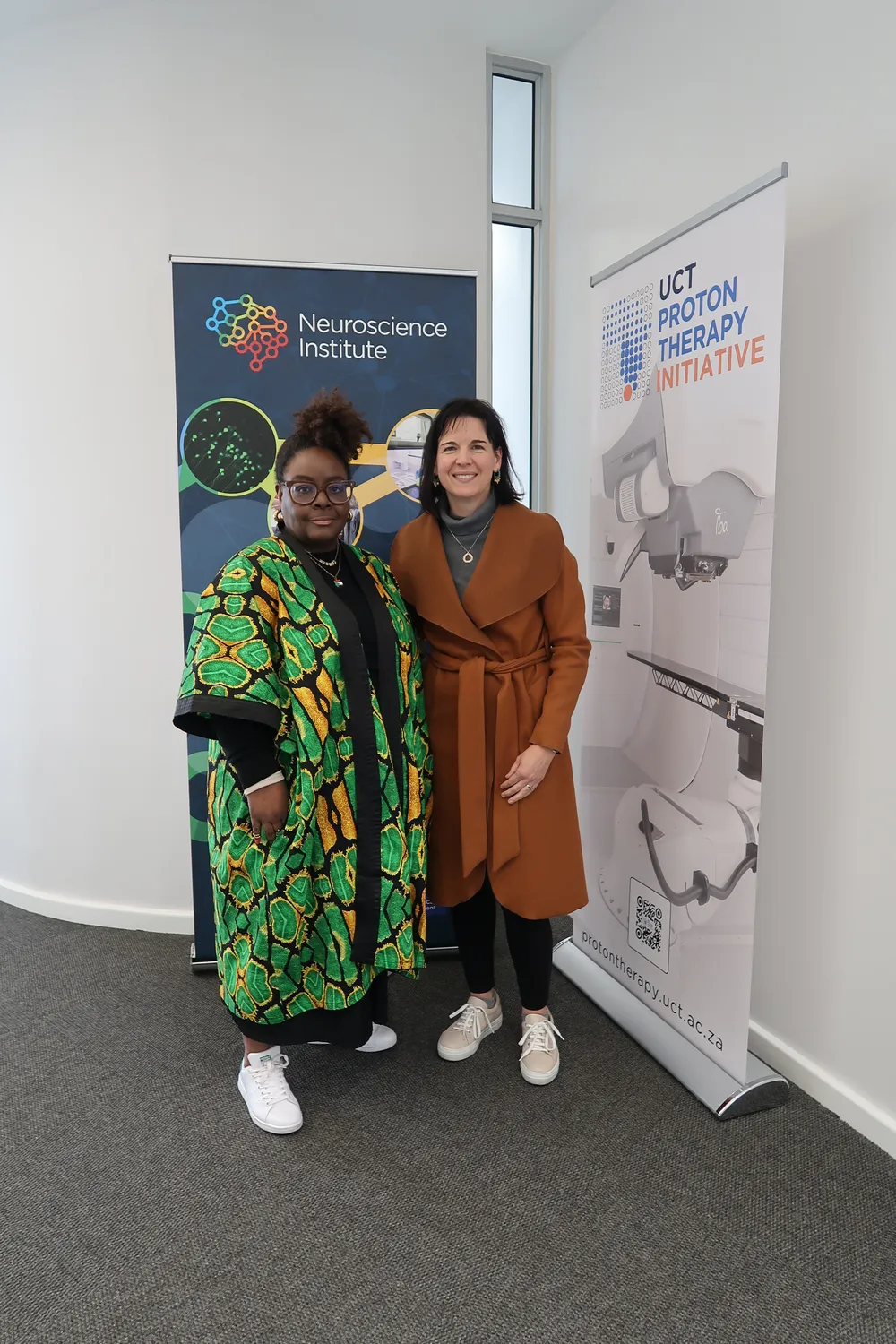
My Fellowship took me to South Africa and Canada to explore these questions in practice. At the University of Cape Town, conversations with social neuroscientist Dr Melike Fourie helped me examine power, empathy, and dehumanisation. At Zeitz MOCAA, conversations opened up questions about art, culture, the body, and collective knowledge. Interviewing Vanessa September and meeting Albie Sachs showed me how ideas about power are lived, challenged, and rebuilt.