‘The Right to a Break’? - The Churchill Fellowship

‘The Right to a Break’?

I became a carer for my mum long before I began working professionally with unpaid carers. She died in 2022, a week before I started my current role supporting unpaid carers’ mental health, wellbeing, and experiences of isolation and loneliness. I moved from being a carer in my own life to working alongside carers every day, carrying an understanding that is both personal and professional.

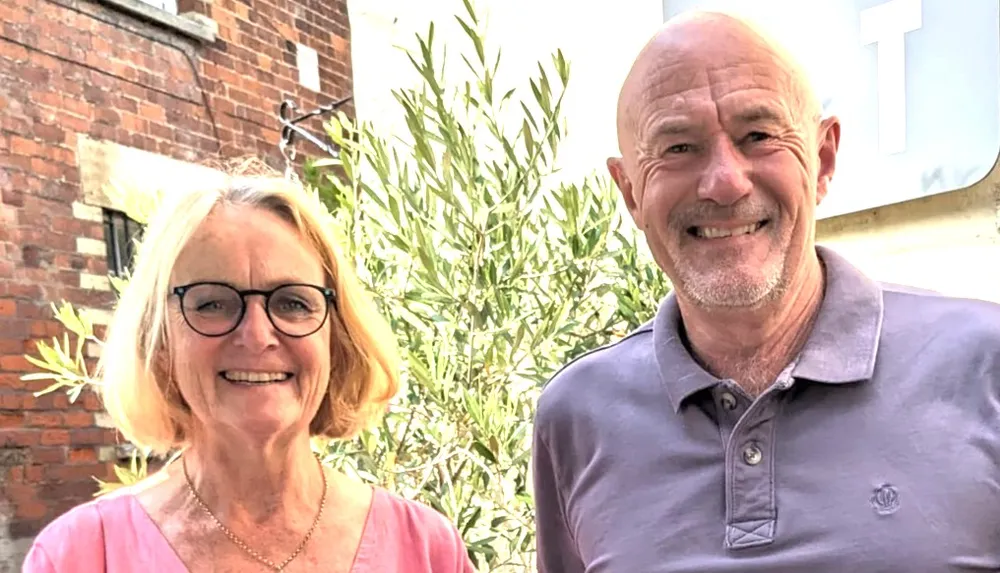
A break from caring is different for everyone. Last year Fi Brown took a small group of carers to Lake Windermere as part of the Eric’s Escapes project she manages. These breaks help with relaxation, restoration, and peer support. Download 'Fi Brown at Lake Windermere'

It takes, on average, over a year for someone to recognise themselves as a carer. During that time, they may already be coordinating appointments, managing medication, and providing emotional support. Sleep often reduces. Working hours shift. Yet many do not see themselves as eligible for support because they are “just helping” someone they love.

Carers rarely describe themselves as being in crisis. More often, they talk about “just getting on with it” because they feel they have to. Caring expands gradually, and the mental load settles in quietly. It shapes concentration and resilience. It can narrow social worlds and intensify isolation long before anyone names it as stress or burnout.

By the time I undertook my Churchill Fellowship, I had spent two and a half years working in this field. I understood the policy landscape and the data on mental health, stress, and loneliness. I also saw how often support arrives only when someone is already overwhelmed. My Fellowship explored a different question: how can environments, and the systems around them, protect mental health before crisis point is reached?

In Sweden, I spent time at a Gröna Rehab site, a nature‑based rehabilitation setting embedded within the public health system and developed to support healthcare workers experiencing stress and burnout. Time, space, and contact with nature were treated as legitimate, evidence‑informed supports for mental health.

Although Gröna Rehab was created for healthcare workers, the pressures it addresses felt familiar – sustained responsibility, emotional labour, limited opportunity for rest. The parallels with unpaid caring were clear.


"As policy discussions unfold across the UK, there is an opportunity to rethink how we understand care. Systems often respond once pressure becomes visible."

Back in Scotland, the introduction of the ‘Right to a Break’ as part of the Care Reform Bill marks an important shift. For the first time, unpaid carers have a legal right to sufficient breaks from caring, recognised as a personal outcome rather than a discretionary extra. It signals that rest and recovery matter.

A legal right on paper, however, does not automatically translate into restoration. If carers take time away but remain anxious about what is happening at home, the break may not reduce stress. If support is difficult to access or poorly matched to need, the mental health benefits are limited. To fulfil its promise, the ‘Right to a Break’ must be implemented with prevention at its core. Time away from caring is not an optional extra but part of what makes caring possible.

As policy discussions unfold across the UK, there is an opportunity to rethink how we understand care. Systems often respond once pressure becomes visible. The quieter erosion of mental health that precedes crisis receives less attention. My Fellowship showed me what prevention looks like when it is built in from the start. The challenge now is to apply that mindset to carers.

If it takes over a year for someone to identify as a carer, support must reach people earlier. If we acknowledge the cumulative mental load of caring, breaks must be meaningful and restorative, not tokenistic. The’ Right to a Break’ offers a framework. Turning it into a lived reality will depend on whether we are prepared to treat carers’ mental health as a necessary part of the social care landscape, not an afterthought.

Disclaimer

The views and opinions expressed by any Fellow are those of the Fellow and not of the Churchill Fellowship or its partners, which have no responsibility or liability for any part of them.

Related

Blogs & conversations

Supporting adolescent mental health in schools

Through his Churchill Fellowship, Charlie Samuda explored how schools in the USA, Canada, and South Korea are responding to the adolescent mental health crisis. Visiting over 30 organisations and schools, he examined how independent guidance, curriculum design, counselling, and safety systems can help schools support students more effectively. He reflects on what England could learn from these approaches as pressures on schools continue to grow.

By Charlie Samuda,

Blogs & conversations

Later living that makes the most of every moment

Amid growing pressures across housing, health, and care, Churchill Fellows Graham Russell and Oona Goldsworthy argue that the lessons from their Fellowships – integrated commissioning, mixed communities, and stronger collaboration – are needed more urgently than ever. They highlight how Brunelcare, the care charity they both work at, is beginning to apply these approaches, from reablement and redevelopment to community-focused work that aims to improve later living.

By Graham Russell ~ Oona Goldsworthy,

Blogs & conversations

Improving care for those living and dying at society’s margins

Palliative care doctor Shaun Qureshi explores how the field can rekindle its original, radical spirit by addressing the inequities faced by marginalised people who remain under-served in current practice. His Churchill Fellowship took him to the USA and Canada, where he learned from centres of care for excluded groups and saw how trauma-informed, social justice, and inclusive approaches can be embedded into everyday work. His report sets out practical recommendations for building a system where everyone can access the palliative and end-of-life care they need.

By Shaun Peter Qureshi,

Newsletter Sign Up