Reflections from Jeremy Soames
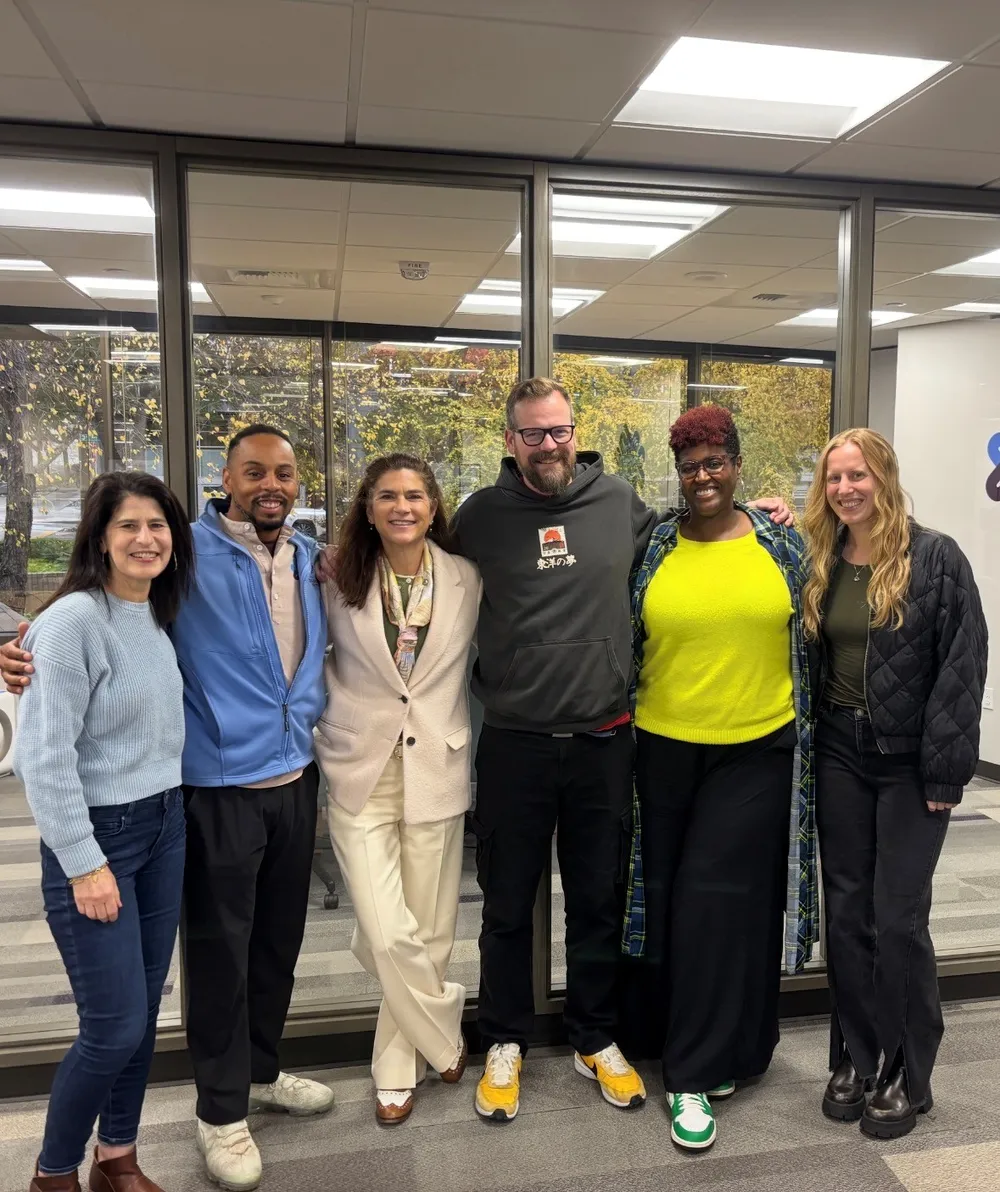
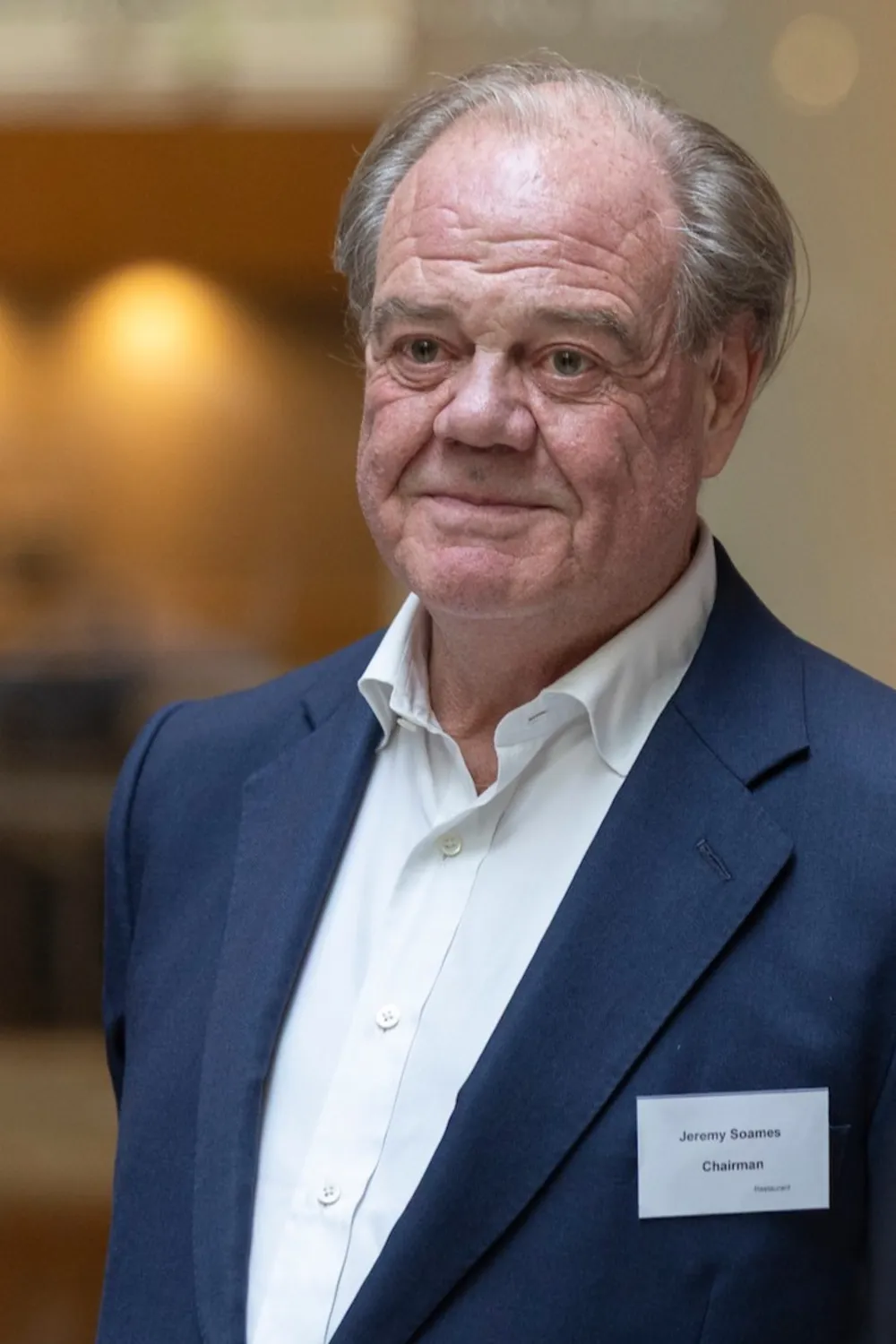
As he steps down from his role as Chair, Jeremy Soames looks back on our 60th Anniversary year and his thirty-year involvement with the Churchill Fellowship.
Churchill Fellows offer their views and advice on topical issues, based on global research and UK activities.
To connect with a Fellow, please go to their Profile page. To find related content, click the tag under each item below. To receive regular blog alerts, sign up at the foot of this page.
If you are a Fellow and would like to write a blog for us, please email digital@churchillfellowship.org to discuss the topic you have in mind.
As he steps down from his role as Chair, Jeremy Soames looks back on our 60th Anniversary year and his thirty-year involvement with the Churchill Fellowship.
As 2025 draws to a close, we’ve selected a range of Fellows’ blogs that capture the learning and perspectives they shared throughout the year. Covering topics from domestic abuse and criminal justice to arts, health, and innovation, these reflections show how Fellows are applying international insights in practical ways across the UK. Together, they offer a window into the conversations and connections shaping their ongoing work.
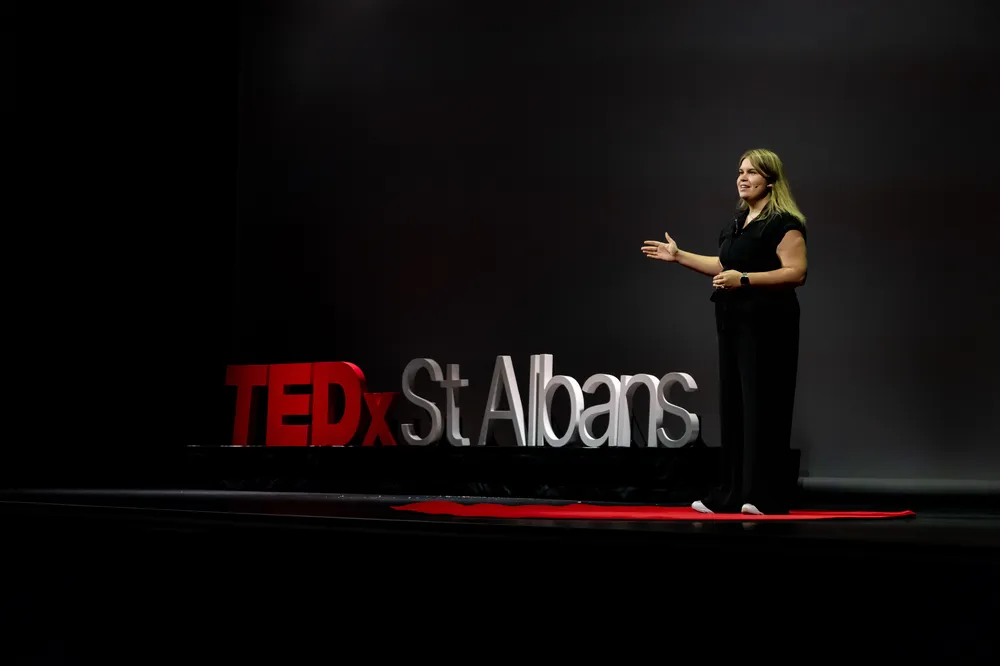
We spoke to Churchill Fellow Sophia Alexandra Hall about how her Fellowship helped shape her trauma-informed interviewing toolkit, now used across major UK newsrooms. Drawing on her lived experience and 50 interviews in the USA, she reflects on the need for safer, more empowering media practices for care-experienced and other under-represented people. She also shares how this work has grown through training, conference speaking, and an expanding public platform at Big Issue.
By Sophia Alexandra Hall, 4 December 2025
Amid growing pressures across housing, health, and care, Churchill Fellows Graham Russell and Oona Goldsworthy argue that the lessons from their Fellowships – integrated commissioning, mixed communities, and stronger collaboration – are needed more urgently than ever. They highlight how Brunelcare, the care charity they both work at, is beginning to apply these approaches, from reablement and redevelopment to community-focused work that aims to improve later living.
By Graham Russell ~ Oona Goldsworthy, 20 November 2025
When travelling in Australia for her Fellowship, Rosie Richards attended the Winston Churchill Trust in Australia's, 60th anniversary convention for Fellows.
By Rosie Richards, 13 November 2025
Dominic Heslop’s Churchill Fellowship explored the “cultural architecture” that allows creativity to thrive and communities to heal, taking him to Jamaica, Berlin, and Athens – each offering lessons in resilience, expression, and collective care. Back in Sheffield, Dominic is embedding these insights into his grassroots organisation Slambarz, combining artistry with structure to support young people, build community, and show how creativity can strengthen wellbeing and identity.
By Dominic Heslop, 6 November 2025
Palliative care doctor Shaun Qureshi explores how the field can rekindle its original, radical spirit by addressing the inequities faced by marginalised people who remain under-served in current practice. His Churchill Fellowship took him to the USA and Canada, where he learned from centres of care for excluded groups and saw how trauma-informed, social justice, and inclusive approaches can be embedded into everyday work. His report sets out practical recommendations for building a system where everyone can access the palliative and end-of-life care they need.
By Shaun Peter Qureshi, 30 October 2025
With self-inflicted deaths in prisons remaining consistently high, Piers Barber set out to explore how prisons can respond with stronger postvention – systematic aftercare following a suicide. His Fellowship took him to New Zealand, Australia, and Canada, where he saw examples such as the embedded role of chaplains in New Zealand prisons, new trials in Australia, and trauma training models for staff in Canada. He is now sharing his reflections with UK practitioners and policymakers, calling for leadership, mapping of all contact points, and varied support to strengthen suicide prevention in custody.
By Piers Barber, 22 October 2025
We spoke to Faith Yiminyi about her 2009 Churchill Fellowship, which took her to the United States to explore how dance companies could thrive and open opportunities for young people. At just 21, she set out to learn new styles, work with choreographers, and see how dance could build confidence and enrich communities. More than 15 years on, Faith reflects on how her Fellowship shaped her journey – from running her own dance school, to working in social care and cyber security, and now returning to dance as a board member of a community studio.
By Faith Yiminyi, 16 October 2025
In memory of his friend Olly, who died by suicide in 2017, Rory Keddie set out to explore how medical students can be better prepared to support people in crisis. His Fellowship took him to India, the USA, and Canada, where he learned from innovative approaches using technology, policy change, and university frameworks. Building on his work with the Dr SAMS project, which has already trained over 2,800 UK medical students, Rory is now working to expand training and engage policymakers so suicide prevention becomes a core part of every doctor’s education.
By Rory Keddie, 9 October 2025
In memory of his friend Olly, who died by suicide in 2017, Rory Keddie set out to explore how medical students can be better prepared to support people in crisis. His Fellowship took him to India, the USA, and Canada, where he learned from innovative approaches using technology, policy change, and university frameworks. Building on his work with the Dr SAMS project, which has already trained over 2,800 UK medical students, Rory is now working to expand training and engage policymakers so suicide prevention becomes a core part of every doctor’s education.
By Rory Keddie, 9 October 2025
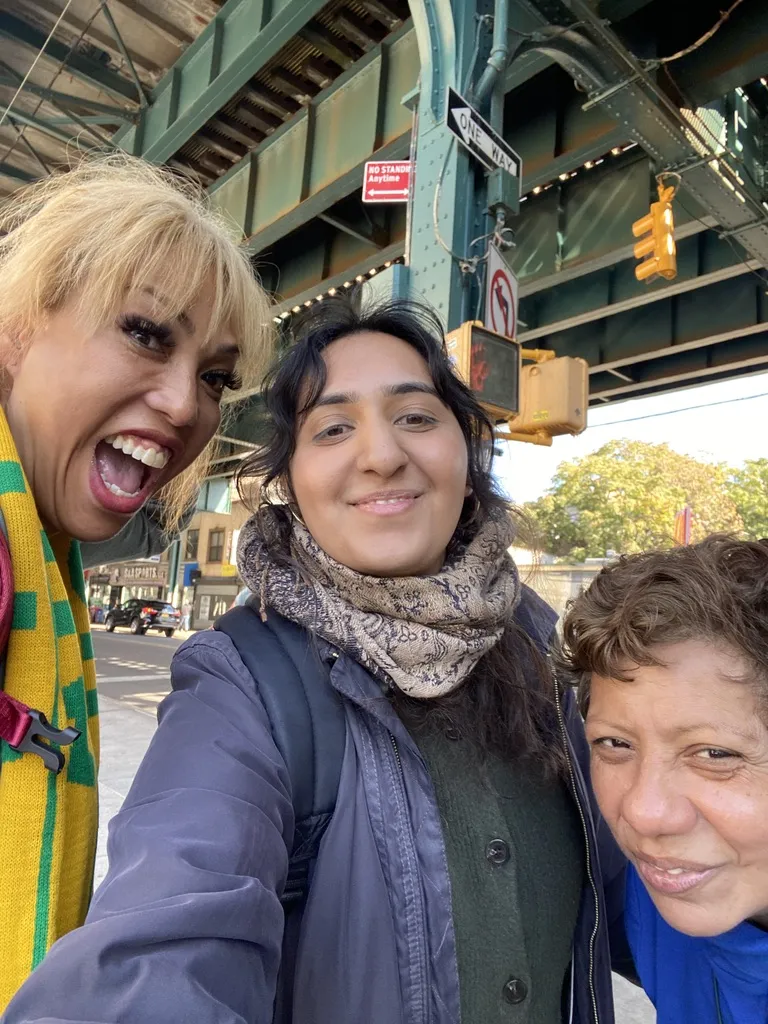
Writer, guide, and founder of Living London, Saira Niazi spent her Churchill Fellowship in the USA exploring how tours and storytelling can be more inclusive, ethical, and community-focused. Her travels took her through 41 neighbourhoods, 32 guided tours, and 36 interviews with “renegade guides,” organisers, and storytellers, culminating in the creation of the Renegade Guides Handbook. Since its launch, Saira has been sharing her findings widely and continues to lead tours, write, and collaborate with communities.
By Saira Niazi, 2 October 2025
Writer, guide, and founder of Living London, Saira Niazi spent her Churchill Fellowship in the USA exploring how tours and storytelling can be more inclusive, ethical, and community-focused. Her travels took her through 41 neighbourhoods, 32 guided tours, and 36 interviews with “renegade guides,” organisers, and storytellers, culminating in the creation of the Renegade Guides Handbook. Since its launch, Saira has been sharing her findings widely and continues to lead tours, write, and collaborate with communities.
By Saira Niazi, 2 October 2025
The Churchill Fellowship has launched a new programme – Building Prosperous, Resilient Economies – to support individuals with practical ideas for strengthening economic resilience in their communities. In this blog, Advisory Council Chair Lucy Parker, and Fellows Grace Harrison and John Barker, reflect on why this programme matters, what it hopes to spark, and how it’s rooted in lived experience, policy insight, and local action.
Monica Lakhanpaul’s Fellowship took her to Australia to explore how different systems respond to the health and wellbeing needs of children living in temporary accommodation. Back in the UK, her work has already helped launch the In Their Own Words report in the Scottish Parliament and continues through research, media, and international collaborations. She now hopes to build on this momentum to ensure that children’s voices are heard – and acted upon – in shaping a fairer future.
By Monica Lakhanpaul, 18 September 2025
As part of his Churchill Fellowship, Ross Watson travelled to the Balkans to see how four countries collaborate to remove invasive non-native plants along the 1000km Sava River. In Serbia’s Zasavica reserve, he found donkeys and horses grazing semi-ferally on invasive plants – turning a major environmental problem into prized products like milk, cheese, and soap. His Fellowship showed how being creative and using the right tools in the right way can bring environmental, economic, and community benefits – lessons he is keen to apply in the UK.
By Ross Watson, 11 September 2025
Abigail Campbell, Head of Fellowship, reflects on what we learned from the 2025 application round – from who applied and where they wanted to go, to the ideas that really stood out. She also shares what makes a strong application, and offers tips for anyone thinking of applying for a Churchill Fellowship in 2026. If you’re considering applying this year, Abigail’s reflections will give you an inside look at the process and some helpful advice to guide your journey.
We spoke to Churchill Fellow Antonia (Toni) Charlton about how her Fellowship helped pave the way for televising the House of Commons. Travelling to the USA, Canada, New Zealand, and Australia, Toni explored how parliaments overseas managed live broadcasting. Just weeks after her return, Parliament voted to trial televised Commons debates – and Toni was appointed BBC project manager to make it happen. She reflects on how the Fellowship shaped her career and fuelled her ongoing passion for public service broadcasting.
By Antonia M J Charlton, 21 August 2025
The inspiration for a new Churchill Fellowship programme – Making Space for the Arts – is a desire to strengthen opportunities for widespread artistic participation, innovation, and creativity, which take place beyond the walls of a cultural institution.
Tim Woodhouse travelled to Iceland, Slovenia, and the USA to explore how to reduce domestic abuse-related suicides. Here, he reflects not only on the people and projects he encountered during his travels, but on the impact that followed – from giving over 100 talks to frontline teams and securing national media coverage, to influencing policy discussions and beginning a PhD. As Tim writes, “the years after you return home is actually where the power of the Churchill Fellowship can kick in – and where all the magic can happen.”
By Tim Woodhouse, 7 August 2025
Keith Ruffles travelled across Canada to explore how rural communities are using migration to reverse population decline. Over five weeks, he visited six towns taking part in the Rural and Northern Immigration Pilot (RNIP), meeting with local coordinators, federal agencies, and migrants like Natalia and Mohammad, who shared their experiences of settling in Canada. In this blog, Keith reflects on what the UK could learn from Canada’s community-driven approach to migration, and how the Fellowship gave him the time, space, and connection to explore these issues in depth.
By Keith Ruffles, 31 July 2025
The Churchill Fellowship is launching a new programme – Building a Society that Cares – which seeks to find ways in which care can be harnessed to humanise services, build resilience and connection to communities, and reimagine how we prevent and address our biggest societal challenges.
We spoke to Churchill Fellow Elizabeth Carrington about her 1973 Fellowship, which took her to Hungary, Switzerland, and Italy to explore new physiotherapy techniques for children with cerebral palsy and neurological disorders. She reflected on how the experience shaped her lifelong international career – from India to Yemen to the World Health Organization – and why she still feels so connected to the Fellowship more than 50 years on.
By Elizabeth Carrington, 10 July 2025
We spoke to Churchill Fellow Elizabeth Carrington about her 1973 Fellowship, which took her to Hungary, Switzerland, and Italy to explore new physiotherapy techniques for children with cerebral palsy and neurological disorders. She reflected on how the experience shaped her lifelong international career – from India to Yemen to the World Health Organization – and why she still feels so connected to the Fellowship more than 50 years on.
By Elizabeth Carrington, 10 July 2025
I grew up without the words to talk about suicide – and didn’t speak about my own bereavement until my forties. My Fellowship set me on a path to change that, taking me to India and Canada to explore suicide prevention in communities like my own. Since then, I’ve joined a global network of preventionists, trained in early intervention, and started sharing what I’ve learned – from working with therapists to leading workshops with young people to help open up conversations.
By Anoo Bhalay, 19 June 2025
Sue Sharples travelled to the USA and Canada to explore new approaches to preventing sexual harm among adults with a learning disability – including linking self-advocacy skills to sexual rights education and using trauma-informed practice. Since returning, she has co-authored a training pack for social care staff and worked with learning disabled colleagues in Lancashire to develop a new sexual self-advocacy resource. Grounded in the belief that people should be their own first line of defence, it’s already helping people feel safer, better informed, and more in control.
By Sue Sharples, 19 June 2025
We spoke to Churchill Fellow Emily Jenkins about how dance can support women living with and beyond cancer. Emily shared how her Fellowship travels across Europe and the USA gave her space to connect with others working at the intersection of dance and health – and how those insights have helped shape her next steps. She reflects on the growth of her organisation, Move Dance Feel, and her mission to train other artists to deliver dance in cancer care, creating a wider community of practice that can reach more people in need of support.
By Emily Jenkins, 5 June 2025
As part of my Fellowship, I travelled across rural regions in the USA, Canada, and Australia, connecting with experts and victim-survivors to explore how to improve safety and achieve equity. My learning and earlier conversations with Rhianon Bragg – a survivor whose story reveals deep cracks in our justice system – helped shape my focus post-Fellowship, laying the groundwork for a new social enterprise to raise the status of rural domestic abuse in public policy and support more coordinated, realistic responses.
By Judith Vickress, 29 May 2025
Forty years on, my Churchill Fellowship to Japan to study traditional handmade paper still shapes how I think, create, and teach. It sparked a lifelong journey exploring paper, place and identity – one that continues to evolve as I balance creativity with care, and remain rooted in community and resilience.
By Cas Holmes, 22 May 2025
Exploring how European funding could support community development took me to Austria, Belgium, and Spain for my Fellowship – a journey that continues to shape my work today. That experience helped build momentum in my career and deepened my belief in the power of backing people and places to realise their potential.
By Susan Waterson, 15 May 2025
Visiting cities across the East Coast of the USA, I explored how parent-led organising is creating change in education – from winning funding for school buildings to building trust between families and institutions. My Churchill Fellowship is now helping shape how we grow our Parent Power programme at The Brilliant Club, embedding lessons on community, leadership and long-term impact.
By Jimmy Pickering, 8 May 2025
A BBC debate on the Assisted Dying Bill pushed me out of my depth – but my Churchill Fellowship had prepared me to feel the fear and do it because. What began as a modest research plan became a five-week tour across the USA, connecting with trauma institutes, service providers and experts. The relationships I built continue to shape my work today, including through Unique Connections – our growing effort to build a social care system grounded in love, belonging, and equity for people with intellectual disabilities.
By Beverley Samways, 1 May 2025
What began as a creative experiment at Central Saint Martins has evolved into a wearable scent technology designed to support mental wellbeing. My Churchill Fellowship enabled me to explore how sensory fashion could be used to manage stress – learning that now underpins the development of Scent Bubble®, supported by NHS innovation partners and recently featured at London Fashion Week.
By Jenny Tillotson, 24 April 2025
What began as a creative experiment at Central Saint Martins has evolved into a wearable scent technology designed to support mental wellbeing. My Churchill Fellowship enabled me to explore how sensory fashion could be used to manage stress – learning that now underpins the development of Scent Bubble®, supported by NHS innovation partners and recently featured at London Fashion Week.
By Jenny Tillotson, 24 April 2025
My Churchill Fellowship took me to Australia, Aotearoa New Zealand, Canada and the USA to explore how fatality review systems can help prevent domestic abuse-related deaths. That learning now underpins my ongoing research and my new book ‘The Potential and Peril of Reviewing Domestic Abuse-Related Deaths’, which brings international insights into dialogue with current practice in England and Wales – highlighting both the opportunities and challenges of meaningful review.
By James Rowlands, 10 April 2025
My Churchill Fellowship took me to Australia, Aotearoa New Zealand, Canada and the USA to explore how fatality review systems can help prevent domestic abuse-related deaths. That learning now underpins my ongoing research and my new book ‘The Potential and Peril of Reviewing Domestic Abuse-Related Deaths’, which brings international insights into dialogue with current practice in England and Wales – highlighting both the opportunities and challenges of meaningful review.
By James Rowlands, 10 April 2025
We spoke to Churchill Fellow Cath Snow, survivor advocate at APPEAL, about her upcoming Fellowship to the USA. Her project explores how the UK’s approach to exonerees could be enriched by learning from American innocence networks. She’ll meet exonerees and grassroots organisations to understand how the UK could better support survivors of miscarriages of justice – not just at the point of release, but as they rebuild their lives.
By Cath Snow, 3 April 2025
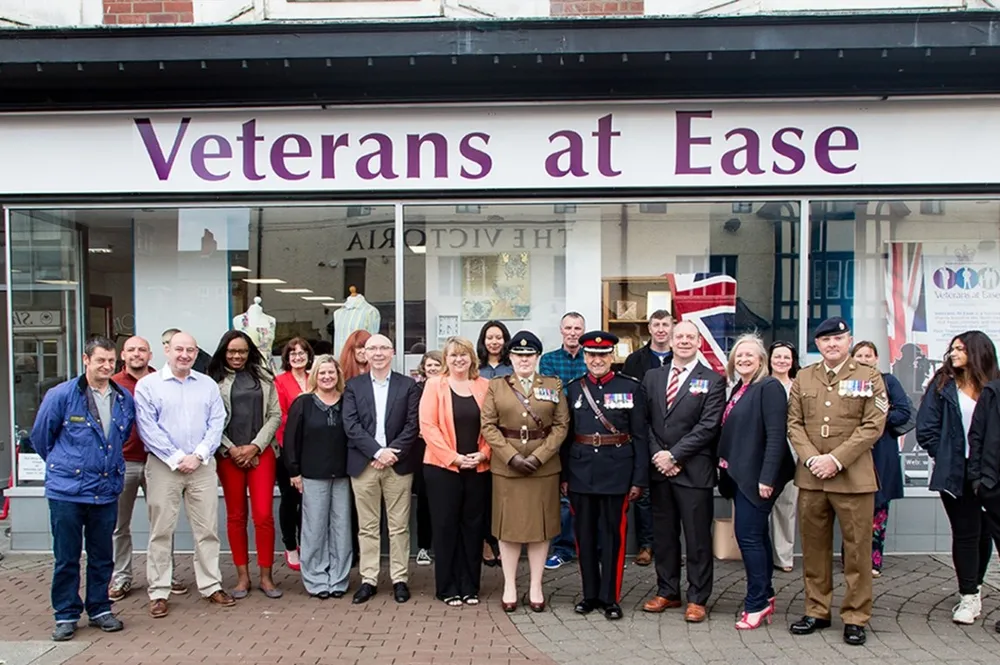
Through my Churchill Fellowship, I explored how to develop sustainable mental health support for veterans and emergency responders. Since then, I’ve grown Veterans at Ease from an idea into a thriving charity, now supporting over 500 individuals with free, bespoke psychotherapy. We’re continuing to expand, training new therapists from the armed forces and emergency services communities and working with partners to provide holistic support for those facing trauma and mental health challenges.
By Garreth Murrell, 27 March 2025
In a UK study, 61% of disabled people were found to be chronically lonely, with loneliness amongst young disabled people reaching almost 70%. As Emily Hyland explains, behind these figures are real people experiencing consequences which extend far beyond just a feeling of loneliness.
By Emily Hyland, 21 March 2025
Through my Churchill Fellowship, I explored how impact media platforms in the USA, India, and Sri Lanka are funded, structured, and sustained. Meeting over 100 media leaders, I saw thriving models that blend philanthropy, individual support, and social enterprise to drive democratic engagement and social change. The UK faces real challenges in sustaining independent impact media, but by learning from these approaches, we can develop new funding models, strengthen governance, and build a more resilient sector.
By Caroline Diehl, 13 March 2025
This World Book Day, we’re celebrating the power of books to share knowledge, spark ideas, and inform understanding—something that Churchill Fellows do across every sector. From science education and sustainable fashion to grief and wellbeing, many Fellows have written, published, and been featured in books that bring fresh perspectives to some of the UK’s most pressing issues. Whether exploring solutions to global challenges or sharing personal stories, their books are one of the ways they create impact, translating their learning into action.
My Churchill Fellowship in 1987 took me to the USA, where I explored the growing field of exercise and health science, learning from pioneers like Kenneth Cooper. Inspired by what I saw, I introduced the UK’s first Wellness programme at Bristol University and helped launch a master’s in Exercise and Health Science. I’m proud to have played a part in the development of Wellness in the UK, and my work continues with the Foundation for Leadership through Sport, bringing leadership development to sport, business, and beyond.
By Robert Reeves, 27 February 2025
We spoke with Laura Wyatt-Smith about her Churchill Fellowship exploring the effects of smartphones on childhood. From Silicon Valley to Europe, she investigated how parents, educators, and tech experts are responding to the digitalisation of childhood. Now, she is sharing her findings through talks, workshops, and an upcoming book, helping parents navigate this issue with practical guidance.
By Laura Wyatt-Smith, 20 February 2025
Through my Churchill Fellowship, I explored how Investigative Genetic Genealogy (IGG) could provide long-overdue answers to families and transform UK policing. By learning from experts in the USA, Canada, and Sweden, I examined how IGG can be implemented ethically and effectively within the UK’s legal framework. With growing momentum for its use, I’m committed to advocating for responsible adoption – ensuring this powerful tool can be used responsibly to deliver justice.
By Emma Tilley, 12 February 2025
In this interview, Churchill Fellow Duncan Vaughan reflects on his Fellowship journey exploring marine planning and protection. From Europe to the USA, Duncan discusses his experiences with experts and the insights he brought back to influence marine management in the UK.
By Duncan Vaughan, 6 February 2025
In this interview, Churchill Fellow Duncan Vaughan reflects on his Fellowship journey exploring marine planning and protection. From Europe to the USA, Duncan discusses his experiences with experts and the insights he brought back to influence marine management in the UK.
By Duncan Vaughan, 6 February 2025
Reflecting on his first year as a Fellowship Officer, Usman Farid shares highlights of his experience guiding potential Fellows through the application process. He discusses helping projects evolve, applying key grant-making principles, the challenges and rewards of the longlisting process, and the excitement of supporting applicants and watching them drive change in their communities.
Five years on from her Fellowship, we spoke with Churchill Fellow Sangeeta Mahajan about how her profound loss inspired her mission to improve suicide prevention. Sangeeta shares insights from her research in the USA and Australia, the gaps she identified in UK care systems, and her efforts to create lasting change through education, peer support, and advocacy.
By Sangeeta Mahajan, 23 January 2025
We spoke with Churchill Fellow Lucy Vincent, founder of the charity Food Behind Bars, about her journey from journalist to campaigner and her vision for improving food quality and culture in UK prisons. Lucy shares insights from her Churchill Fellowship research in Scandinavia, the challenges facing UK prison catering, and her plans to support prison catering teams through training and a new podcast.
By Lucy Vincent, 9 January 2025
Our Chairman, Jeremy Soames, reflects on a year of growth and achievement for The Churchill Fellowship, including concluding our work on Migration, launching new programmes in Education and Health, and welcoming 134 new Fellows. Looking ahead, Jeremy shares exciting plans for our 60th anniversary in 2025.
At One Small Thing, I work to explore solutions to reduce the number of women entering prison by promoting community-based approaches. My Churchill Fellowship next year will take me to Canada, Germany, and Finland to learn how others are addressing similar challenges and inspiring policymakers to reimagine justice for women. I’m eager to connect with changemakers globally and share insights on creating a system that prioritises community over custody.
By Sarah Smith, 12 December 2024
Through my Churchill Fellowship, I explored how Black girls are adultified in state care – from their relationships with parents to social work practices and transitions to independent living. Travelling to the USA and Canada, I engaged with researchers and practitioners, uncovering how adultification affects Black girls and identifying potential solutions. My findings highlight the need to move beyond tick-box approaches in social work and recognise the strengths Black girls develop despite these challenges. I’m now sharing these insights through CPD sessions, campaigns, and my ongoing PhD, with the hope of driving meaningful change for children affected.
By Sylvia Ikomi, 5 December 2024
My Fellowship explored how mosque architecture in the UK influences the identity of young British Muslims, focusing on design and diversity. I examined the challenges of blending traditional Islamic architecture with British styles and the impact of mosque politics on community building. Through my research, which involved studying best practices in Canada, South Africa, and the USA, I developed key recommendations with the aim of inspiring a new approach to mosque spaces that reflects a 21st-century Western context.
By Abdullah Geelah, 28 November 2024
I’d known about the Churchill Fellowship for years, but my journey began while watching Drag Race Spain last year, where I learned about Fundación 26 de Diciembre, an organisation supporting older LGBTQ+ people in Madrid. This inspired me to apply for a Fellowship, and I was awarded funding to visit LGBTQ+ housing and care projects in Spain, France, Germany, and study online with groups in Sweden and the USA. I’m excited to bring back what I learn to improve housing and care experiences for older LGBTQ+ people here in the UK.
By Amy Davies, 14 November 2024
Visiting the military graveyard in Lviv, I was struck by the endless lines of graves adorned with the yellow and blue flag of Ukraine, a reminder of the nobility and futility of war. Working with the HopeFull charity on the 'Hope for the Wounded' project, we aim to create a network of 140 rehabilitation centres where veterans can freely articulate their experiences within a safe and trusted environment. This programme balances body, soul, spirit, and material needs, guiding veterans toward a new future defined by meaningful purpose while recognising their unique challenges, hopes, and dreams.
By Simon Edwards, 31 October 2024
We spoke to Churchill Fellow Carole Phillips about her journey since receiving a Fellowship ten years ago. As an anti-bullying advocate, Carole shares how her experiences have shaped her work in promoting children's wellbeing. Her Fellowship took her to the USA to study the Olweus Bullying Prevention Programme, inspiring her to develop a finalist anti-bullying programme in Wales’s Police Community Awards. Now with Jigsaw Education Group, she supports schools in implementing PSHE content while continuing her advocacy for children affected by bullying.
By Carole Phillips, 24 October 2024
We spoke to Churchill Fellow Carole Phillips about her journey since receiving a Fellowship ten years ago. As an anti-bullying advocate, Carole shares how her experiences have shaped her work in promoting children's wellbeing. Her Fellowship took her to the USA to study the Olweus Bullying Prevention Programme, inspiring her to develop a finalist anti-bullying programme in Wales’s Police Community Awards. Now with Jigsaw Education Group, she supports schools in implementing PSHE content while continuing her advocacy for children affected by bullying.
By Carole Phillips, 24 October 2024
We spoke to Churchill Fellow Dr Mark Brookes, advocacy lead at Dimensions, who will soon travel to the USA for his Fellowship, where he will share his insights on hate crime reporting and its connection to learning disabilities. With over 20 years of advocacy experience, Mark emphasises the challenges individuals with learning disabilities face when reporting hate crimes and highlights the significant achievements his work has led to, as well as his hopes for improving hate crime reporting and outcomes for disabled individuals in the UK.
By Mark Brookes, 17 October 2024
We spoke to Churchill Fellow Dr Mark Brookes, advocacy lead at Dimensions, who will soon travel to the USA for his Fellowship, where he will share his insights on hate crime reporting and its connection to learning disabilities. With over 20 years of advocacy experience, Mark emphasises the challenges individuals with learning disabilities face when reporting hate crimes and highlights the significant achievements his work has led to, as well as his hopes for improving hate crime reporting and outcomes for disabled individuals in the UK.
By Mark Brookes, 17 October 2024
We spoke to Churchill Fellow Pete Donnelly about his journey from a life-changing accident to empowering disabled communities. Pete shared insights from his Fellowship travels to Australia and Aotearoa New Zealand, where he learned how the disabled community there use their lived experience to drive social impact. He reflects on the barriers disabled innovators face and the need to give them control over the products and services they use, while highlighting his mission to influence system change in the UK.
By Pete Donnelly, 10 October 2024
"Today is National Poetry Day and the theme for 2024 is ‘Counting’. I am a poet, a Churchill Fellow and I can count to ten." In her poem for National Poetry Day, Hannah Stanislaus shares her journey as a poet and proud Churchill Fellow, celebrating the transformative power of poetry in education. She reflects on her experiences and advocates for poetry to be recognised as a separate subject in schools.
By Hannah Stanislaus, 3 October 2024
In 2017, UK thought-leader Michelle de Leon founded World Afro Day – a global celebration and liberation of Afro hair and identity that takes place annually on 15th September. This initiative brings attention to the cultural significance of Afro hair and highlights ongoing discrimination faced by Black people in the UK. As someone living with alopecia, I felt a personal connection to this topic, which led me to apply for a Churchill Fellowship.
By Jo-Anne Weekes, 25 September 2024
In the early hours of 14 June 2017, I was awoken by the sirens and looked out of my bedroom window to see Grenfell Tower ablaze. Even on that day I knew that our lives had changed forever. As a local resident and Church Worker at Latymer Community Church situated in the shadow of the Tower I was deeply affected by the fire. As the months turned to years, I felt that we desperately needed hope for the long haul and so I applied for a Churchill Fellowship.
By Mary White, 19 September 2024
For this year’s World Suicide Prevention Day, the International Association for Suicide Prevention and World Health Organization are encouraging people all over the world to ‘start the conversation’ to help break down the stigma associated with suicide. The value of open conversations is what first got me involved in suicide prevention.
By Rhea Newman, 10 September 2024
Julie Stokes OBE (CF 1992), who recently gave the keynote speech at our Award Ceremony, carried out her Churchill Fellowship while working as a clinical psychologist in palliative care. She credits her Fellowship with not only helping her NHS work supporting bereaved children but also her career journey and trajectory, from founding the leading children's charity Winston's Wish to her current role as an executive coach and consultant clinical psychologist.
By Julie Stokes, 5 September 2024
Reflecting on the past year, I’m amazed at how quickly I’ve gone from theory to implementation. My Churchill Fellowship journey took me across the USA, where I explored the Coaching Boys into Men (CBIM) programme and saw first-hand its potential to address issues like misogyny and violence against women. Now, with a successful pilot in Northern Ireland and plans to train more community advocates, I’m thrilled to see it becoming a catalyst for change.
By Nicole Devlin, 29 August 2024
Young people with disabilities, despite their skills and determination, face daunting barriers to employment, with job rates significantly lower than their peers. My work and personal journey, including insights from my Churchill Fellowship, highlight how small, reasonable adjustments can make all the difference in unlocking this highly qualified talent pool.
By Tracey Francis, 14 August 2024
The devastation of coral reefs due to warming seas, pollution, and predation has been a concern since the late 60s, when a group of eminent scientists led by Churchill Fellow Dr Christopher Roads began studying Red Sea coral reefs. We spoke to Dr Roads about his 13 years leading this scientific research group studying tropical marine biology, and his reflections on where we are today.
My experience of being fired after requesting a reasonable adjustment showed me just how much of a problem workplace accessibility truly is. Inspired by this, I undertook a Churchill Fellowship to explore best practices in inclusion, engaging with global leaders to embed these principles and create trusting environments for disabled employees.
By Rachael Mole, 1 August 2024
My experience of being fired after requesting a reasonable adjustment showed me just how much of a problem workplace accessibility truly is. Inspired by this, I undertook a Churchill Fellowship to explore best practices in inclusion, engaging with global leaders to embed these principles and create trusting environments for disabled employees.
By Rachael Mole, 1 August 2024
I’m thrilled to have been awarded a Churchill Fellowship, giving me the opportunity to visit housing innovations overseas which have placed intergenerational relationships at the centre of their design.
By Savannah Fishel, 24 July 2024
In July 2010, a message from my son, taken from me at birth, began my journey to uncover the truths of our shared history and the forced adoption practices of post-WWII. My Churchill Fellowship allowed me to learn from Australia's response to these injustices, with the hope that the UK can adopt similar healing measures for affected families.
By Jeannot Farmer, 18 July 2024
Kerry Rooney spoke at our recent Connect & Inspire event for our new cohort of 2024 Fellows. Reflecting on his own experience 10 years on, Kerry shared his 11 top tips for planning a Churchill Fellowship journey and beyond.
By Kerry Rooney, 11 July 2024
In this blog, learn more about our new Fellowship programme launching on September 4, dedicated to enhancing student engagement in UK education.
In this blog, learn more about our new Fellowship programme launching on September 4, focused on promoting lifelong health.
Over the next few months, I am embarking on a journey around the Pacific Northwest region of the USA and Canada on my Churchill Fellowship, exploring farmer-led, collaborative and dynamic approaches to seed production.
By Holly Silvester, 5 June 2024
For someone whose medical condition took them to the very brink, it is all the more incredible what Marsha McAdam – who was awarded her Churchill Fellowship in 2023 – has achieved.
My Churchill Fellowship of 2004 informed part of my work in Chinese opera. Now, 20 years on, I am delighted to say I continue to put my learning to good use.
By Kathy Hall, 23 May 2024
After feeling disheartened by unsuccessful postdoctoral fellowship applications, I came across the Churchill Fellowship, offering a unique opportunity for people who are passionate about improving a specific issue in the UK to go and look at how things are done elsewhere. It seemed like a great opportunity to have some real, focused impact.
By Lizzy Winstone, 15 May 2024
After feeling disheartened by unsuccessful postdoctoral fellowship applications, I came across the Churchill Fellowship, offering a unique opportunity for people who are passionate about improving a specific issue in the UK to go and look at how things are done elsewhere. It seemed like a great opportunity to have some real, focused impact.
By Lizzy Winstone, 15 May 2024
Through my travels across North America, I soon realised that urban agriculture can, and should be, a transformative force reshaping the fabric of our cities and our relationship with food and each other.
By Leanne Werner, 9 May 2024
Through my travels across North America, I soon realised that urban agriculture can, and should be, a transformative force reshaping the fabric of our cities and our relationship with food and each other.
By Leanne Werner, 9 May 2024
Mark Walsh recently retraced his Fellowship journey to the USA, this time accompanied by his family. Here he reflects on what has happened since his original trip and what his Fellowship means to him.
By Mark Walsh, 2 May 2024
Sgt Laura Gibson works with Police Scotland’s Partnerships, Preventions and Community Wellbeing Division focusing on mental health and suicide prevention. A Churchill Fellowship took her to the United States to explore the wellbeing and resilience support and training offered to people working in law enforcement.
By Laura Gibson, 25 April 2024
Will our grandchildren still be able to enjoy our beautiful planet’s current biodiversity at the end of this century? Philip Seaton asks how we can safeguard biodiversity for future generations.
By Philip Seaton, 18 April 2024
In February 2020, I was awarded a Churchill Fellowship to explore how we can make physical activity ‘business as usual’ within cancer care. The Fellowship was an experience of a lifetime, allowing me to travel to the USA and Canada to learn from world leading experts.
By Beth Brown, 11 April 2024
Recently, I’ve been reflecting on the time when I was drafting my application for funding from the Churchill Fellowship. I had toyed with the idea of applying for some time. I had signed up to the mailing list a few years ago and every year, when the applications opened, I would be reminded of what an amazing opportunity it sounded.
By Jessica Smith, 3 April 2024
As a social worker working with children moving onto adoption and before that with children in foster care, I've long wondered how children can be supported to process the feelings of grief and loss of separation.
England and Wales imprisons more of its citizens than any other country in Western Europe according to a Prison Reform Trust Report. And in 2015, I became one of those imprisoned citizens.
By Jacob Hill, 21 March 2024
Way back in 2011, I was fortunate enough to be awarded a Churchill Fellowship and travelled to the USA to compare and contrast services available to military veterans that had struggled to adjust to civilian life.
By Tony Wright, 14 March 2024
In 2023, the London-based yoga teacher and social impact founder finally managed to undertake her Fellowship first awarded in 2019, visiting Colombia and Alaska where she studied organisations supporting displaced people (Colombia) and Alaskan native community through circle-based restorative practice, a method Abi herself has been exploring.
In 2020, I had a series of conversations with several health, education and social care professionals who voiced concerns that families who had not previously been considered vulnerable families, may have become so as a result of the challenges they had faced during the COVID19 lockdowns.
By Joy O'Neill, 28 February 2024
In 2020, I had a series of conversations with several health, education and social care professionals who voiced concerns that families who had not previously been considered vulnerable families, may have become so as a result of the challenges they had faced during the COVID19 lockdowns.
By Joy O'Neill, 28 February 2024
In advance of our inaugural 'In conversation with' event with John Elkington and Lucy Parker, here, the 'Godfather of Sustainability', looks back over 50 years - and forward 15.
By John Elkington, 22 February 2024
'Between birth and death, many of life’s most critical moments occur in hospital and they deserve to take place in surroundings that match their significance.' Richard Cork, The Healing Presence of Art (2012)
By Vivienne Reiss, 19 February 2024
A campaigner whose first success was having a crossing installed outside a school, is now running her own organisation committed to a new, community-based approach to bringing about change at a national level. And her journey to this point – says Amanda Walters – is thanks to the Churchill Fellowship she undertook in 2019.
It is hard to imagine how two old table tennis tables and a couple of bats could be the start of a highly successful and truly inclusive, multicultural sports club for an entire community. But from these humble origins, what began as a small venture for a Sussex University student, who wanted to bring ‘ping pong’ to the youth of Brighton, has turned into a thriving organisation.
It may seem strange for a Churchill Fellow to suggest that the answer to making the UK’s rural landscape more accessible to people from diverse communities isn’t to carry out more research.
When Saeida Rouass applied for a Churchill Fellowship in 2019 to investigate the impact of violent extremism on women, in particular survivors of white supremacist groups and violence, she was surprised to find the connections between racially motivated violence and gender-based violence. The learnings from Saeida’s Fellowship, and 28 other Fellows, have gone on to help inform the Churchill Fellowship’s Migration report due to be published shortly.
By Saeida Rouass, 24 January 2024
Since 2015, I have been Chief Executive Officer of Recovery Connections, a Lived Experience Recovery Organisation in the North East of England. Through this work I see the impact of addiction, and the related stigma on the lives of individuals who look for support, plus their families and wider communities.
By Dorothy Smith, 18 January 2024
My Churchill Fellowship gave me not only a new perspective on how mindfulness-based approaches could help treat PTSD, but also how lucid dreaming could be used in this way too.
By Charlie Morley, 10 January 2024
Ministry of Justice data shows that 57 per cent of adult prisoners have literacy levels below those expected of an 11-year-old.
By Richard Wakelin, 3 January 2024
Ministry of Justice data shows that 57 per cent of adult prisoners have literacy levels below those expected of an 11-year-old.
By Richard Wakelin, 3 January 2024
Our Chairman, Jeremy Soames, looks back over the last 12 months and reflects on the achievements and challenges of the past year.
In 2022, I was fortunate to be awarded an Action Fund grant from the Churchill Fellowship, this helped to initiate an environmental project at the school where I teach, Northfleet Technology College in Kent.
By Michael Jones, 13 December 2023
December 10th marks International Human Rights Day, the date on which the Universal Declaration was adopted by the United Nations. This year’s Human Rights Day is especially momentous, as it marks the 75th anniversary of the Declaration.
By Henry McGhie, 6 December 2023
"We shall escape the absurdity of growing a whole chicken in order to eat the breast or wing, by growing these parts separately under a suitable medium… The new foods will be practically indistinguishable from the natural product from the outset, and any changes will be so gradual as to escape observation.”
By Jenny Chapman, 29 November 2023
Trees have a unique place in the hearts of all human communities in the world - past and present.
By Ian Brown, 21 November 2023
"I am passionate about addressing this imbalance and was thrilled to be awarded a Churchill Fellowship in 2020 to find out more about refugee integration in disadvantaged communities."
By Kerry Cressey, 15 November 2023
It was with surprise (and pleasure) that I received an invitation from the Churchill Fellowship to write a reflective blog on completing my Fellowship of fifty-five years ago, highlighting the practical considerations of a pre-digital age.
By Daphen Dunster, 7 November 2023
We all wish to live a life in good health, free from illness and suffering. As a nurse and a yoga teacher, this has been made abundantly clear to me over the years whether working in a prison in Glasgow, or in a clinic in Bhopal, India.
By Lorraine Close, 1 November 2023
As a kinship carer myself, for years I’ve been interested in my family’s dynamics, and have always been a little curious about what life would have been like had I been born in Jamaica.
By Sharon McPherson, 24 October 2023
I became a prison officer at 22. As a young woman starting my first proper job, I found those first few months tough. Intense, intimidating, even misogynistic at times. But I also found courage and hope. My nerves turned into confidence, and those months turned into years.
By Alex South, 23 October 2023
I became a prison officer at 22. As a young woman starting my first proper job, I found those first few months tough. Intense, intimidating, even misogynistic at times. But I also found courage and hope. My nerves turned into confidence, and those months turned into years.
By Alex South, 23 October 2023
A passionate believer in how those with lived experience can bring social issues to the fore, Churchill Fellow Anna Wardley (CF 2019) spoke to us about her own personal Fellowship journey and the advice she would give to people thinking of applying. In 2022 supported by her Fellowship work and connections she had made, Anna set up the Luna Foundation to transform the way young people are supported after suicide bereavement, particularly after the death of a parent or primary caregiver.
October is Breast Cancer Awareness Month and this year’s campaign is focusing on raising awareness around secondary breast cancer. In this powerful blog, Churchill Fellow, Lottie Barnes (CF 2020) talks through her second primary cancer diagnosis and how it interrupted her Fellowship journey but inspired her to challenge perceptions around the imagery of illness. Photographed in chronological order (2021-22), with a high-fashion, photo shoot aesthetic, ‘Finding the Beauty in Illness’ documents and interprets an eight to nine-month journey of chemotherapy and mastectomy to convalescence and beyond.
By Lottie Barnes, 11 October 2023
I believe local currencies, like the system in Marica, can be a powerful business development model for towns and villages in the UK, especially those losing out to online sales or nearby large cities. They can support community wealth building and circular economy initiatives and give power back to communities when making spending decisions.
By Patrick Brown, 3 October 2023
It’s a story that has the same headline year after year. British ethnic minorities spend the longest time on the organ transplant waiting lists; they make up the largest demographic group in need of life-saving organs and yet donate significantly fewer organs than their white counterparts.
By Nishtha Chugh, 26 September 2023
As Sarah Brown says, “I grew up with the sea, lived around the sea, couldn’t imagine my life without the sea, and here I am helping to restore the sea.” But just how did Sarah’s Churchill Fellowship help her develop her career in marine conservation and restoration?
If you have ever wondered whether there is a long-term benefit to being a Churchill Fellow, beyond the immediate opportunity it brings to undertake international learning and bring that knowledge back to the UK, then Fred Horley has the answer.
By Isabell MacInnes, 20 September 2023
When Frank Grant heard that his friends' daughter, Victoria had a project in mind, he knew a Churchill Fellowship would be ideal for her. Frank told Victoria about The Churchill Fellowship and helped her with her Fellowship application.
By Daniel Alder, 24 August 2023
By Henry McGhie, 14 August 2023
By Kerry Wykes, 2 August 2023
By Angela Samata, 25 July 2023
By Nina Champion, 19 July 2023
By Daryl Chambers, 13 July 2023
By Jadwiga Leigh, 19 June 2023
By Christopher Mastricci, 14 June 2023
By Rebecca Rumbul, 5 June 2023
By Helen Woodcock, 23 May 2023
By Emily Jane Carr, 18 May 2023
By Steve Marshall, 10 May 2023
By Tony Thompson, 3 May 2023
We spoke with three Churchill Fellows about how they want to help healthcare workers cope in unprecedented times.
This month we begin a four-week process of interviewing applicants for our next cohort of Churchill Fellows.
By Heba Al-Jayoosi, 27 March 2023
By Tamsin Longley, 21 March 2023
By Victoria Butler, 6 March 2023
By James Edmonds, 28 February 2023
By Henry McGhie, 1 February 2023
By David Morgan, 25 January 2023
By Saeida Rouass, 14 December 2022
An inspiring Christmas single has just been launched by David Stanley’s Music Man Project for learning disabled musicians, together with the Royal Marines Band.
By David Stanley, 12 December 2022
Our Chairman Jeremy Soames reflects on the achievements and challenges of the past year.
Fifty years ago, Olympic Gold-medallist Mary Peters was awarded the Churchill Fellowship that made it all possible. Here she reflects on what it led to.
By Mary Peters, 29 November 2022
By Jacqui Jobson, 3 November 2022
By Lisa Baum, 24 October 2022
By Sarah Brown, 21 October 2022
By Sue Sharples, 10 October 2022
By Katherine Taylor, 6 October 2022
By Tracy Paine, 28 September 2022
By Alpa Depani, 8 September 2022
By Lorna Stabler, 1 September 2022
By Martin Malcolm, 25 August 2022
By Eddie Goldfinch, 18 August 2022
By Sangeeta Mahajan, 10 August 2022
By Daniel Kelly, 1 August 2022
By Seigo Robinson, 28 July 2022
By Hayley Gorton, 21 July 2022
By Luke Loveridge, 14 July 2022
Keeping safe: suicide prevention
By Catriona Prebble, 16 June 2022
By Robert Brooks, 9 June 2022
By Angela Kirwin, 26 May 2022
By Tanni Grey-Thompson, 12 May 2022
By Simon Edwards, 5 May 2022
By Garry Botterill, 14 April 2022
By James Stirling, 7 April 2022
By Simon Shaw, 31 March 2022
By Missing Wolf, 24 March 2022
By Kate Organ, 17 March 2022
By E. A. Draffan, 10 March 2022
By Arti Prashar, 3 March 2022
By Neil Morris, 24 February 2022
By Emmanuel Akpan-Inwang, 17 February 2022
By Jacqueline Cassidy, 10 February 2022
By Mohammed Dhalech, 2 February 2022
By Naomi Watkins-Ligudzinska, 27 January 2022
By Anna Wardley, 20 January 2022
By Sarah Beresford, 13 January 2022
By Jenny Tillotson, 6 January 2022
By Ellie MacLennan, 8 December 2021
By Janet Dowling, 2 December 2021
By Mike Aiken, 24 November 2021
By Carole Phillips, 17 November 2021
By Elizabeth Leighton, 11 November 2021
By Henry McGhie, 29 October 2021
By Jill Matthews, 28 October 2021
By Jonathon Jones, 27 October 2021
By James Frame, 20 October 2021
By Duncan Vaughan, 11 October 2021
By Leon Clowes, 5 October 2021
By Amanda Roberts, 30 September 2021
By Paul Middleton, 24 September 2021
By Richard Jeffries, 14 September 2021
By Joy O'Neill, 7 September 2021
Improving communication with Deaf people
By Herbert Klein, 1 September 2021
By Emily Niner, 25 August 2021
By Maggie Bolger, 11 August 2021
By Michael Alder, 2 August 2021
By Yvonne Witter, 28 July 2021